Katie Suarez’s Generosity Saves Four Lives Amid Family’s Grief
Katie Suarez, a Brooklyn bank teller, donated organs after her tragic death, saving four lives while her family mourns.
2 min read
Katie Suarez, a 28-year-old bank teller from Brooklyn, called her father on October 30 to say she was about half a mile from home. When she didn’t arrive, her parents went looking for her, only to find her stabbed in the neck along the waterfront in Brooklyn. She died on November 2, leaving behind a family whose private life has become a public story.
A Legacy of Generosity
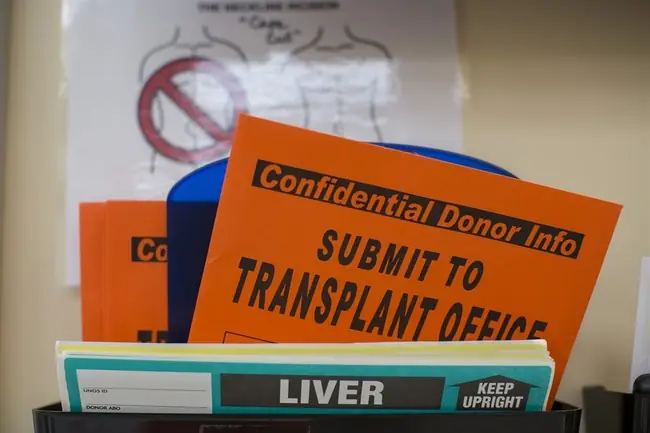
Despite the tragedy, Katie’s life has left a lasting impact. As a registered organ donor, she was able to give the gift of life to four people. Her heart, both kidneys, liver, and pancreas were donated to recipients ranging in age from 12 to 75, with three living in New York and one in Florida. She also donated her corneas.
Leonard Achan, president and CEO of the nonprofit that facilitated the donation, said, “This is an unimaginable loss for any parent and family. That Katie thought of others in being a registered donor is a powerful testament to her generosity and will ensure that she will live on through these gifts of life.”
A Balance of Grief and Gratitude
While her family must still bury her, the recipients of her generosity have been given a second chance at life. The article emphasizes that four lives saved cannot balance the loss of a daughter. The recipients’ good fortune creates no obligation for Katie’s parents to feel better. Gratitude and grief can coexist without one explaining away the other.
Katie’s value as a person is not diminished by the impact of her donation. She would have mattered just as much had the donation been impossible. Remembering her means recognizing the full worth of the woman who should still be here, alongside the extraordinary consequence of a choice she made for others.
A Reminder of Humanity
Katie made her decision before the attack, before strangers learned her name. She agreed to help people she would never meet. Her generosity belonged to her while she was alive. Too often, a victim’s name becomes useful to everyone except the people who knew her. Politicians find an argument, commentators find a symbol, and the accused receives a biography, while the person who died gets reduced to an age, a photograph, and the circumstances of the killing.
Her family must still bury her. We can honor the hope she gave those strangers and leave room for the grief that no gift takes away. Justice and remembrance belong together. Honoring her gift doesn’t require setting aside the violence that ended her life. Demanding accountability doesn’t require making her entire identity the manner of her death.
Source: PJ Media