College Sports Profit Model Threatens Academic Mission
College athletics are shifting from education to profit, raising concerns over student well-being and academic performance.
4 min read
College athletics have long been a cornerstone of campus life, offering students opportunities to develop teamwork, discipline, and leadership. However, the modern era of college sports is increasingly prioritizing profit over education, raising concerns about the impact on student well-being and academic performance.
The Rise of College Athlete Profits
In recent years, the landscape of college athletics has undergone a dramatic transformation. At least 30 states now allow student-athletes to profit from their Name, Image, and Likeness (NIL), and the 2025 House v. NCAA decision permits schools to pay athletes up to $20.5 million, with annual increases. This marks a significant departure from the traditional model of amateurism, where college athletes were expected to balance their academic responsibilities with athletic pursuits without financial compensation.
These changes have led to a professionalized system where athletes often transfer between institutions to chase the most lucrative deals. The incentives in such a system serve the goals of professionalized, big-time sports, especially for athletes aiming to accelerate their path to fame and fortune. However, this shift raises serious concerns about the academic mission of colleges and universities, which should remain the primary focus of student life.
UNC System: A Case Study in Athletic Overreach
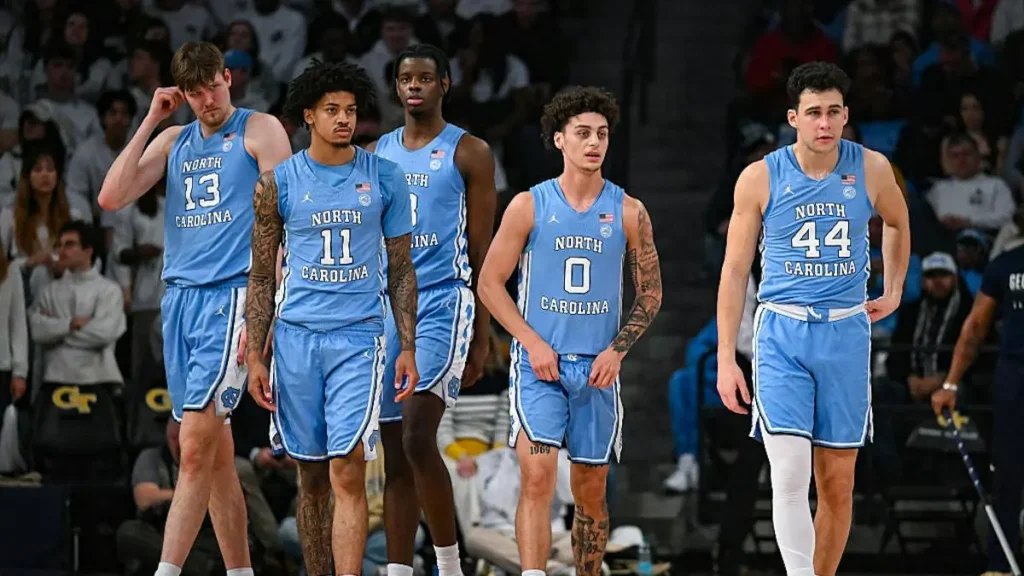
The University of North Carolina (UNC) system, home of the Carolina Tar Heels, serves as a case study of the broader issue. A new report from the James G. Martin Center for Academic Renewal examines the academic and financial data for the system’s 15 intercollegiate athletics departments and uncovers sobering findings.
One of the most significant issues is the excessive financial burden placed on students. While student fees that fund student groups and access to recreational facilities are reasonable, paying a high amount directly to the athletic department is harder to justify. Most North Carolina institutions require students to pay upwards of $800 a year for their sports teams. For example, UNC-Asheville charges $906, and Elizabeth City State University charges $899 for athletics fees.
Significant reliance on institutional and government support further exacerbates the problem. At most North Carolina schools, at least half — and often more — of athletics revenue comes from these sources. The highest-revenue-generating schools, UNC-Chapel Hill and NC State, rely least on these funds. For instance, only about 1% of UNC-Chapel Hill’s athletics revenue comes from institutional and government support. Other Division I schools, however, don’t fare as well. About 50% of North Carolina Central’s and 36% of Western Carolina’s athletic revenue comes from institutional or government sources.
The takeaway here is not for these schools to become more like Chapel Hill, as mimicking its success is both unlikely and undesirable. Competitive high-pressure sports often come at a high academic cost. Instead, institutions should consider cutting superfluous expenses, such as high coach compensation.
Academic Performance and Athlete Success
Playing football or basketball at schools like UNC or NC State often opens doors to professional stardom. However, high-stakes competition can clash with the academic mission of colleges and universities. Student athletes must balance demanding training and travel schedules alongside their studies, which can be challenging.
Graduation rates indicate that many athletes struggle to strike this balance. Basketball and football players at UNC-Chapel Hill graduate at much lower rates than the overall student body, at 54%, 76%, and 91.3%, respectively. NC State is similar, with basketball players graduating at 18%, football at 55%, and the overall student body at 85.5%.
Reports of misbehavior emanating from Chapel Hill’s football program also indicate a lack of respect from some athletes and even personnel for the university. These issues highlight the broader problem of how athletic priorities can overshadow academic goals.
Reforms and Recommendations
Reforming intercollegiate athletics is possible, but it will not be popular. It also is not one-size-fits-all. Safeguarding academia’s higher mission requires bold action. The Martin Center recommends a varied approach depending on schools’ division and financial status.
Some schools should consider dropping down to Division III. DIII is far less costly, which would lower the price tag for both the institutions and students. It would also relieve pressure on athletes, allowing them to focus on their education.
Another recommendation is for states to impose NIL caps. The current ecosystem allows student-athletes to transfer between institutions to chase the best NIL deal. Capping NIL may slow down institution-hopping and allow athletes to pay more attention to their studies. Ending large buyouts for coaches and conducting a sport-by-sport audit are other opportunities for cost savings.
Conclusion: Prioritizing Education Over Sports
Academics cannot be the runner-up on a university campus. In a competition between a university’s educational mission and its sports team, the educational mission must win. This is not just a matter of policy but a fundamental shift in the purpose of higher education. As the modern era of college sports continues to evolve, it is crucial to ensure that the academic mission remains the primary focus, safeguarding the future of student life and learning.
Source: Daily Wire