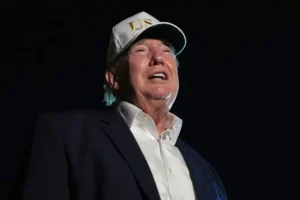
Trump to Posthumously Pardon Pete Rose Amid Tax Conviction
President Trump plans to pardon Pete Rose posthumously, clearing his name from a 1990 tax conviction.
2 min read
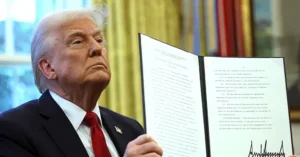
President Donald Trump has announced his intention to posthumously pardon legendary baseball player Pete Rose, who was convicted in 1990 for filing false tax returns. The pardon, which Trump claims will be issued within the coming weeks, is intended to clear Rose’s name and erase the conviction, which stemmed from his failure to report over $354,000 in earnings from sports betting, memorabilia sales, and paid appearances.
Rose’s Legacy and Controversy
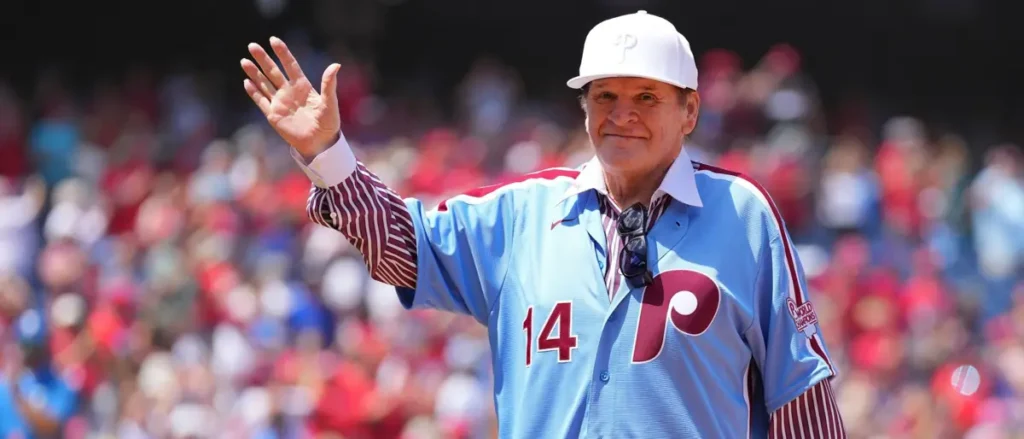
Pete Rose, widely regarded as one of the greatest baseball players of all time, holds the record for the most career hits in Major League Baseball with 4,256. He won three World Series titles and was a 17-time All-Star. Despite his stellar career, Rose’s legacy was tarnished in 1989 when he was permanently banned from baseball for betting on Cincinnati Reds games while playing for and managing the team.
Although Rose pleaded guilty to two counts of tax fraud and served a five-month sentence, his career and statistics have long overshadowed the scandal that ended his professional baseball career. In 2023, Major League Baseball Commissioner Rob Manfred reinstated Rose and removed him from the permanently ineligible list, clearing his path to Hall of Fame consideration. Rose could be eligible for induction as early as 2027.
Trump’s Support for Rose
Trump has publicly supported Rose in the past, including during his first term when he urged the league to reconsider Rose’s eligibility. In a recent Truth Social post, Trump emphasized that Rose should have been allowed to bet only on his own team, not against himself or others. He claimed that Rose’s actions were not a betrayal of the sport, but rather a personal decision that should not have led to his criminal conviction.
While the pardon is intended to be posthumous, it would have the effect of wiping out Rose’s federal tax conviction. However, it is important to note that any pardon would only be applicable in the event of his death, which occurred on September 30, 2024, at the age of 83.
Source: Daily Caller