Behind the Medals: How Service Goes Beyond Parades
How honoring veterans goes beyond parades and medals—real service matters.
2 min read
America knows how to honor its veterans through parades, medals, and standing ovations. Yet, the true measure of service lies in the quiet, often unseen efforts to support them when the cameras are off. Two stories highlight this reality: one of a Medal of Honor recipient and another of a dying veteran, both needing help to secure the benefits they earned through their service.
A Medal of Honor Recipient’s Struggle
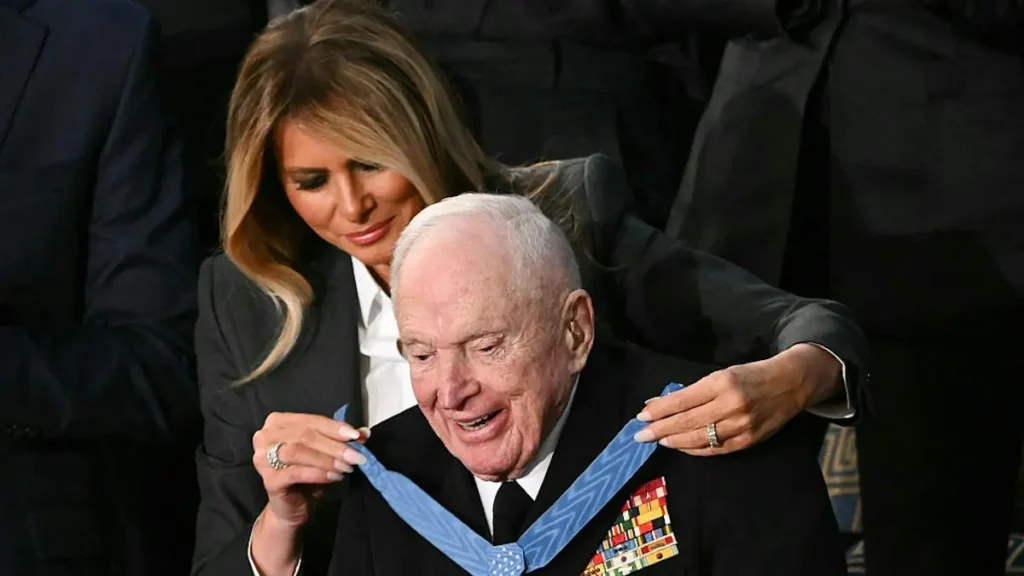
Captain Royce Williams, a Navy fighter pilot, flew into history on November 18, 1952, engaging seven Soviet MiG-15s for 35 minutes. Despite being shot down and landing his damaged jet on the USS Oriskany, his heroic actions remained classified for decades. In 2026, President Trump recognized his service, and the First Lady presented him with the Medal of Honor. However, his journey was far from over. At age 98, Williams faced a 90% VA disability rating due to undiagnosed PTSD from his time in the 1950s. After visiting his home, accessing his VA account, and personally filing a claim, his rating was upgraded to 100%, allowing him to receive the nation’s highest honor.
A Dying Veteran’s Final Hours
Another story emerged from Corona, California, where a veteran, nearing the end of his life, required assistance with a VA claim. Despite his deteriorating health, he still needed help filing the paperwork. The author of the article sat with him, filed the claim, and provided the support his family desperately needed. His wife expressed gratitude, saying the act of help gave their family hope and honored her husband in his final hours. He passed away the next morning, and the family invited the author to his funeral, where they reflected on the significance of his service.
The System’s Challenges
The VA system, while critical, is complex and often overwhelming for veterans. Older records are incomplete, and mental health conditions from past generations were rarely documented. The backlog of claims is significant, and many veterans struggle to navigate the process alone. The author, a U.S. Marine Corps veteran, founded VetComm US to help veterans with these claims, having experienced the frustration firsthand. Through their efforts, over 40,000 veterans have received the benefits they earned.
Service Beyond Applause
While parades and medals are important, the real honor lies in showing up when veterans need support. Whether it’s helping with a claim, driving to an appointment, or simply sitting with someone while they explain their story, the impact is profound. This Veterans Day, the question is not just about how to honor veterans, but how each individual can be of service. The true measure of honor is not in the applause but in the actions taken to support those who served.
Source: Daily Wire