Ninth Circuit Overturns Restriction on ICE Use of Tear Gas
Federal appeals court strikes down Obama-era limits on ICE agents’ use of nonlethal force during protests.
2 min read
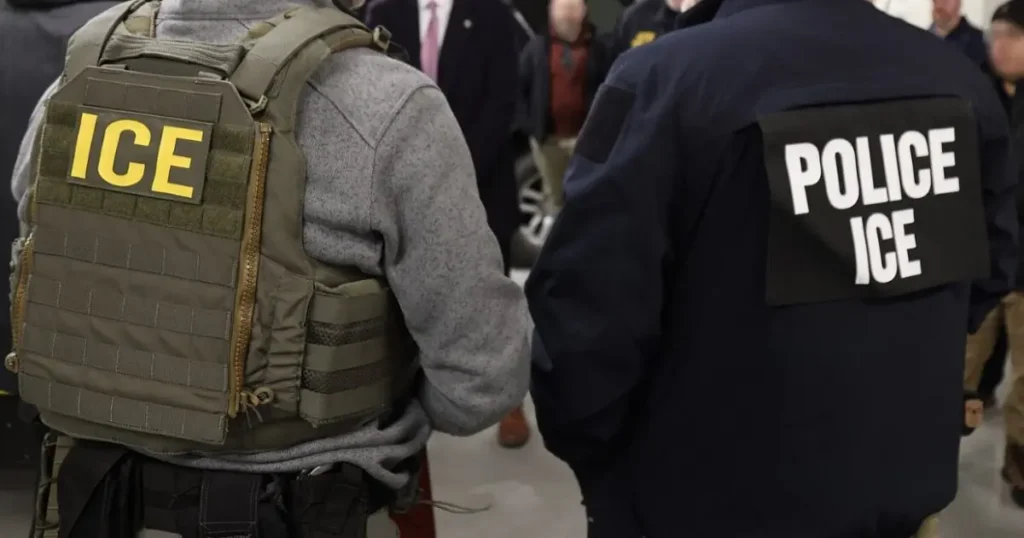
The Trump administration has secured a significant legal victory as the U.S. Court of Appeals for the Ninth Circuit overturned a preliminary injunction that restricted federal immigration officers from using tear gas, pepper balls, and other nonlethal crowd-control weapons during violent protests near an ICE facility in Portland, Oregon.
Legal Victory for Homeland Security
In a 2–1 decision, the Ninth Circuit ruled that the Obama-era restrictions imposed by a federal judge were overly broad and improperly limited the lawful use of force by ICE agents. The court found that the lower court had exceeded its authority by imposing sweeping limitations on the agency’s ability to maintain order during protests.
The ruling, issued in Dickinson v. Trump, marked a major setback for the American Civil Liberties Union of Oregon and five plaintiffs who accused DHS of retaliating against peaceful protesters and independent journalists. The majority opinion emphasized that while peaceful protest is protected under the First Amendment, it does not extend to acts of vandalism, obstruction, or interference with lawful government operations.
Clarifying the Scope of Judicial Authority
Circuit Judge Kenneth Lee, joined by Judge Eric Tung, argued that the injunction was an overreach, stating that federal judges cannot dictate operational procedures or redesign law enforcement uniforms. Lee wrote, “Courts cannot be the couture of the executive branch,” highlighting the limits of judicial intervention in law enforcement matters.
The court also rejected the plaintiffs’ claim that DHS had an unwritten policy of retaliating against First Amendment activities, finding insufficient evidence to support such a broad assertion. The ruling did not clear the use of force at the Portland facility but clarified that the plaintiffs had not demonstrated a likelihood of success on their retaliation claim.
Implications for Law Enforcement and Civil Liberties
The decision underscores the tension between civil liberties and law enforcement authority, affirming that federal agents have the right to use nonlethal force to restore order during protests. The ruling also reaffirms that courts cannot unreasonably restrict the operational capabilities of law enforcement agencies in the name of free speech.
As the case moves forward, it will continue to shape the legal landscape for protests and law enforcement interactions, balancing constitutional rights with the need for public safety.
Source: The Gateway Pundit