Trump Urged to Extend Jones Act Waiver Amid Energy Cost Concerns
President Trump faces pressure to extend the Jones Act waiver to lower energy costs and boost U.S. competitiveness.
2 min read
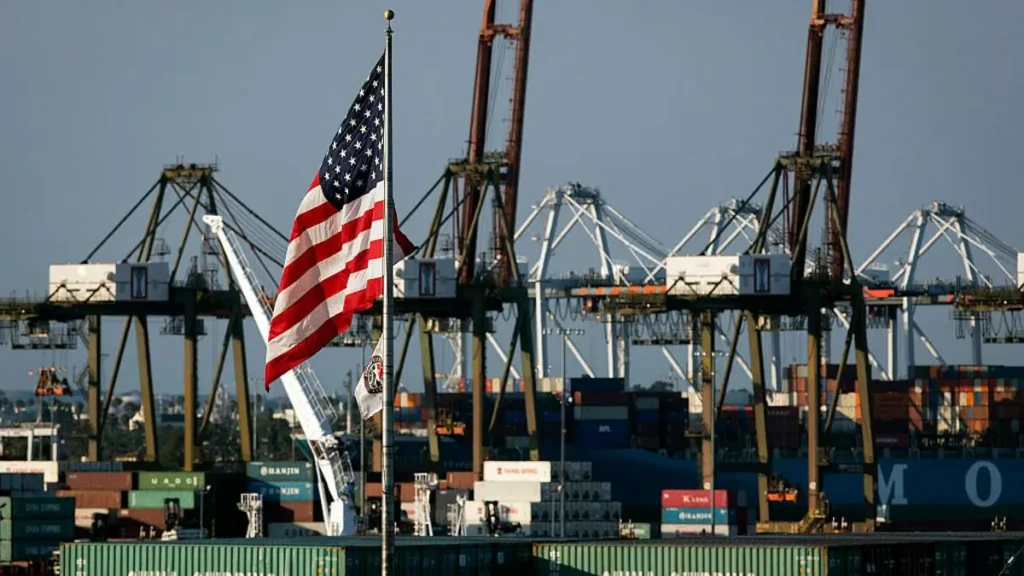
President Donald Trump is facing mounting pressure to extend the Jones Act waiver, which has been crucial in reducing energy costs and improving domestic shipping efficiency. The waiver, which allows foreign ships to transport goods between U.S. ports, is set to expire on November 15, and its extension is seen as a key step in addressing American concerns over affordability and economic security.
The Jones Act and Its Impact
The Jones Act, an outdated law requiring U.S.-built, U.S.-crewed, and U.S.-owned vessels for domestic shipping, has created significant bottlenecks in the transportation of goods. With only 92 ships qualifying for domestic ocean transportation, the law has limited the ability of U.S. producers to move their goods efficiently.
President Trump’s waiver, issued earlier this year, has helped alleviate these issues by enabling the transport of energy-related goods, including diesel, gasoline, and fertilizer. The waiver has supported over 337 voyages from March through October, significantly boosting the availability of essential goods across the country.
Waiver Challenges and Support
Despite the benefits, Jones Act supporters are pushing to end the waiver, arguing that it undermines national security. However, no documented security incidents have been linked to the waivers, and the ability to transport energy and fertilizer has strengthened economic security.
A recent poll by the National Taxpayers Union found that 73% of Americans support the waivers, highlighting the public’s preference for cost-effective shipping solutions. The waivers are especially vital for U.S. agriculture and energy producers, who rely on them to maintain competitive pricing and meet demand.
Recommendations for Improvement
Experts suggest several ways to enhance the Jones Act’s effectiveness. These include automatic waivers when U.S. vessels are unavailable, carveouts for non-contiguous regions like Alaska and Hawaii, and improved waiver processes to respond to emergencies such as hurricanes or regional shortages.
As the waiver approaches its expiration, there is a growing call for the administration to act swiftly. Extending the waiver until the conflict with Iran ends would provide energy producers and other stakeholders with the stability needed to plan for the future.
Source: Daily Wire