Trump’s Iran Strategy Focuses on Economic Pressure
U.S. officials reveal Trump’s plan to economically strangle Iran, avoiding war and peace deals.
2 min read
Donald Trump’s strategy to counter Iran’s influence has shifted from military strikes to economic pressure, aiming to strangle the country without resorting to war or a peace deal. This approach, backed by Secretary of State Marco Rubio, has seen the U.S. intensify efforts to cut off Iran’s access to critical resources and financial flows.
Strategic Shift from Military to Economic Pressure
After the midterm elections, Trump’s administration moved away from plans for a major strike on Iran’s oil and nuclear infrastructure. Instead, the focus has been on a prolonged economic campaign, with the administration implementing measures to disrupt Iran’s economy and force compliance through sanctions.
Rubio, during a meeting with G7 counterparts in Paris, emphasized that the administration would not pursue a ‘ridiculous’ peace deal or a military strike. Instead, the plan is to continue the existing strategy of economic pressure, which has been in place since last July. The administration’s goal is to ‘strangle’ Iran into submission without triggering a full-scale conflict.
Implementation of ‘Task Force Iron Gate’
The U.S. is now implementing ‘Task Force Iron Gate,’ an initiative aimed at closing off several land routes into Iran. This effort is designed to monitor, detect, and disrupt the flow of advanced weapons systems, dual-use technologies, and sanctioned materials into the country. The task force also targets illicit financial revenue streams, aiming to cut off Iran’s access to critical resources.
Analysts describe this strategy as a ‘kitchen sink’ approach, targeting multiple aspects of Iran’s economy to squeeze pressure relief valves the regime might be using to circumvent sanctions. The goal is to increase economic pressure on Iran to the point where it is forced to comply with U.S. demands.
Regional Impact and Concerns
The strategy has raised concerns among U.S. allies in the region, particularly in Iraq, which is one of Iran’s largest cross-border trading partners. Iraq fears that the measures could destabilize smuggling networks and militant activities along the 994-mile border they cannot fully control. The U.S. has long been aware of Iran’s use of this border to smuggle weapons and money to its militia allies.
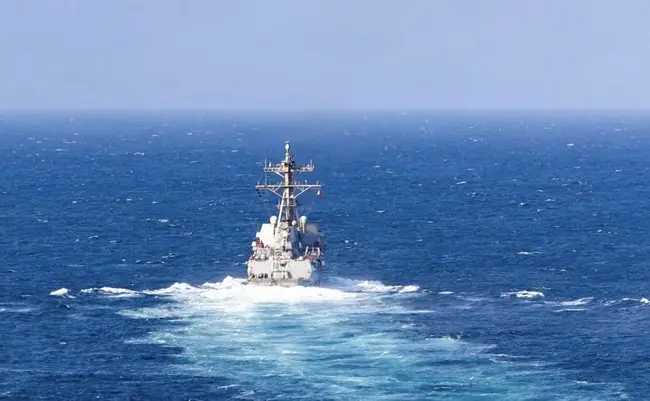
Despite the economic pressure, Iran’s leadership and elites continue to show no signs of economic hardship. The blockade allows for the passage of humanitarian supplies, but the disruption of shipping lanes in the Strait of Hormuz and the heightened risk to commercial vessels have caused severe logistical bottlenecks, driving up costs and complicating the delivery of goods into the region.
Analysts Warn of Potential Escalation
Most analysts warn that Iran is unlikely to simply wait out the blockade quietly. Instead, they predict that Tehran will eventually reach a breaking point and resort to renewed military action, asymmetric strikes, or attempts to challenge the blockade in the Persian Gulf to force Washington’s hand.
This outcome would play directly into Trump’s hands, as the administration’s strategy is designed to pressure Iran into compliance through economic means rather than military confrontation.
Source: PJ Media