Salvadoran Forces Take Control of Haiti’s Largest Stadium
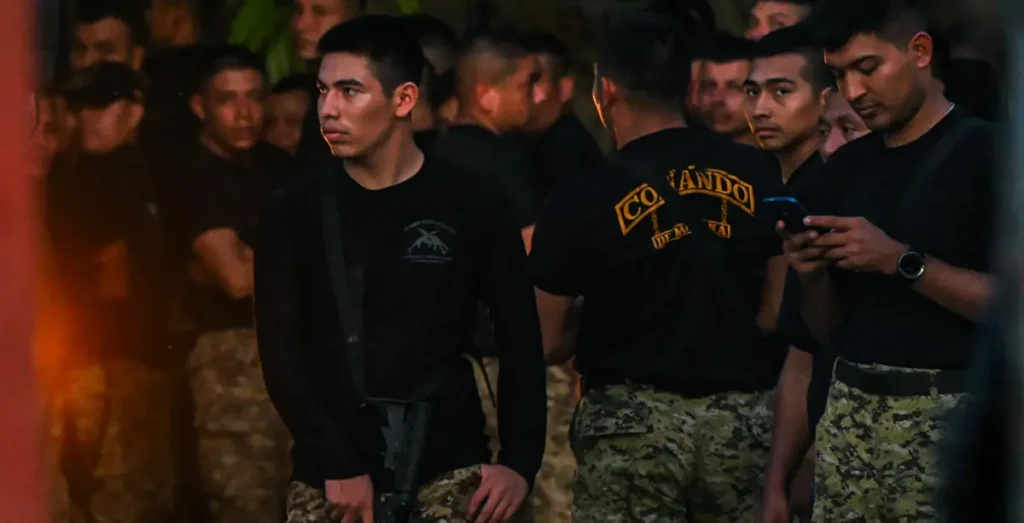
Salvadoran troops now control Haiti’s largest stadium, seized from gangs after two years. Bukele’s operation targets gang strongholds.
2 min read
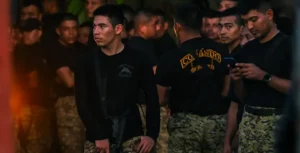
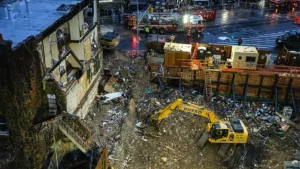
Haitian security forces have reclaimed the country’s largest stadium, Sylvio Cator, from gangs that had controlled it for two years, according to multiple reports. The stadium, located in downtown Port-au-Prince, was handed over to Salvadoran soldiers for safeguarding, marking a significant shift in the ongoing conflict between Haitian authorities and criminal groups.
Gang Control and Human Rights Concerns
The 10,000-person capacity stadium had fallen into the hands of gangs in 2024, with these groups seizing much of Haiti, the poorest country in the Caribbean. The Haitian national football team was even forced to play its World Cup qualifying matches on the tiny Dutch-controlled island of Curacao, more than 500 miles away, due to the instability in the country.
During the operation, Salvadoran President Nayib Bukele announced the discovery of several human skulls inside the stadium, highlighting the grim reality of the conflict. Bukele stated that his forces were now in control of the stadium and would use it as a base to launch an offensive against the gangs. He demanded that the gangs leave before the offensive begins.
Sanble gang yo pa vle goumen avè n… 🇸🇻🇭🇹 https://t.co/h7HpfabQKT
Bukele’s Operation and Previous Actions
Bukele deployed his soldiers to Haiti to rescue four Salvadoran soldiers who went missing after an ambush in Port-au-Prince on October 18. His forces had previously destroyed a mansion belonging to Wilson “Lanmò San Jou” Joseph and the “headquarters” of the Mawozo gang, one of Haiti’s main gangs. Bukele branded the gang “cowards” and had crowdsourced the coordinates of the mansion four days before the operation.
International Context and Criticism
Salvadoran security forces have been engaged in a largely successful offensive against gangs since 2022, which drastically reduced the murder rate in the country by 2023. However, the campaign has involved the suspension of certain constitutional rights and has drawn international criticism over reports of human rights violations, unsubstantiated arrests, and in-custody deaths.
Source: Daily Caller