New Jersey Bill Sparks Debate Over Islamophobia Definition
A New Jersey bill defining Islamophobia has drawn criticism over potential free speech concerns.
2 min read
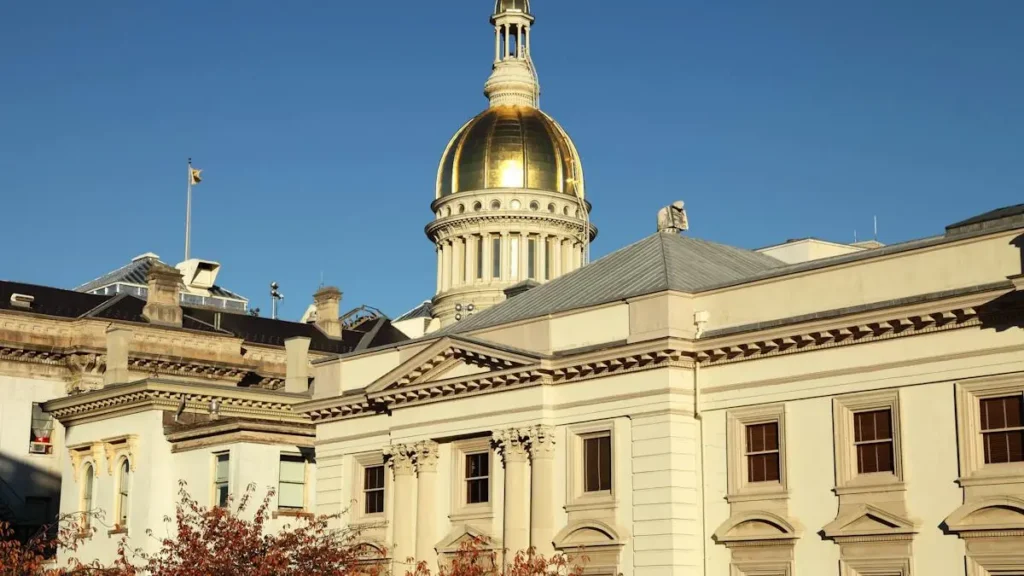
A New Jersey bill proposing an official definition of ‘Islamophobia’ has ignited a debate over its potential impact on free speech. Assembly Bill A1146, introduced in January 2026, is currently under review by the Assembly State and Local Government Committee. Critics argue that the measure could be used to suppress criticism of Islamic doctrine or politics.
Definition and Concerns
The bill defines Islamophobia as a form of racism targeting expressions of Muslimness or perceived Muslimness. It includes examples such as severe disparagement of Muslim culture, hostility and fear of Islam leading to aversion to Muslims, and mendacious or dehumanizing allegations about Muslims. However, the definition has raised concerns among critics, who argue that it is too broad and could be applied to legitimate criticism or personal testimony.
Proponents of the bill claim it does not introduce new crimes but rather provides guidance for public officials on how to assess alleged acts of discrimination. However, critics point out that the language is vague and could be misused to stifle free speech. The bill includes some safeguards, such as stating that criticism of Muslim-majority countries is not covered, and that it does not infringe on free-speech rights under U.S. or New Jersey constitutions.
Comparison to British Definition
The bill is modeled after a British parliamentary definition but includes key differences. While the British definition emphasizes context, the New Jersey version incorporates examples more directly into the definition. It also adds language about fear of the religion and disparagement of culture, which the British text did not emphasize.
Critics argue that the definition could be used to criminalize legitimate criticism of Islamic teachings or Islamist groups. They also raise concerns about the inclusion of defamation alongside more serious offenses like calls for violence. Under constitutional and criminal law, these are treated differently, raising questions about the bill’s fairness and clarity.
Historical Context and Current Status
Similar versions of the bill have been introduced over the past five years, but none have moved out of committee. The latest version, as of mid-November 2026, remains stalled, highlighting the ongoing debate over its implications for free speech and government oversight.
Source: Daily Wire