Pope Leo XIV Visits Cusco, Listens to Indigenous Voices in Amazon
Pope Leo XIV visits Cusco and Pucallpa, engaging with indigenous communities and addressing social and environmental concerns.
4 min read
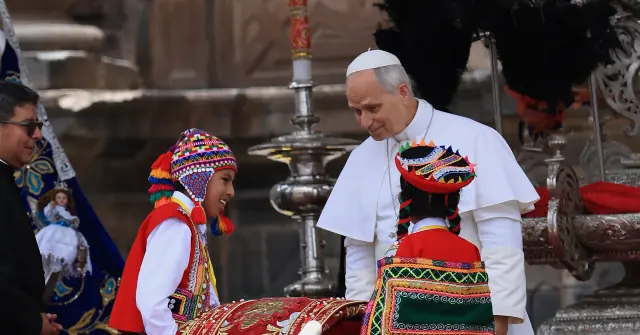
Pope Leo XIV made a significant stop in Cusco, Peru, on Sunday, marking his first visit to the ancient Incan capital since his arrival in the country. The high-altitude city, once the heart of the Inca Empire, now serves as a major hub for Catholic missionary activity, a legacy that the pope sought to honor during his visit. Following his arrival in Lima, the nation’s capital, on Wednesday, Pope Leo traveled to Cusco to meet with local Catholic faithful and indigenous communities, emphasizing the spiritual and cultural significance of the site.
Historical and Spiritual Significance
Vatican outlets highlighted the historical weight of the pope’s visit, noting that Cusco was a pre-Columbian capital and a key center for Christian missionary efforts after the Spanish conquest. The high-altitude Andean city, with its rich history and cultural heritage, offered Pope Leo an opportunity to reflect on the Church’s role in the region’s transformation. His visit followed stops in Lima and the northern city of Chiclayo, where he previously served as bishop before his elevation to Rome and, eventually, his role as archbishop.
The pope’s itinerary included a visit to the ancient archaeological site of Saqsaywamán, where he met with local faith leaders. This site, a testament to the Inca civilization, provided a backdrop for his spiritual reflection and engagement with the community. His first public appearance in Cusco was the Angelus prayer, a traditional Catholic devotion, which he led in the Grand Plaza of the city. The event drew large crowds, many of whom wore ceremonial indigenous clothing, underscoring the deep cultural ties between the region and its people.
Messages of Hope and Unity
In his Angelus address, Pope Leo spoke to those suffering from illness and disability, emphasizing the Church’s role in supporting those who face health challenges. He described illness as an opportunity for spiritual growth, urging the faithful to view suffering as a path to deepen their relationship with God. “In the light of the Gospel, illness lived with faith and united to the mystery of the Passion of Christ is a path to grow in love and share it,” he said. He also warned against the devaluation of the sick and disabled, calling the notion that they are less valuable a “great lie.”
His message resonated with many in the crowd, who saw the pope’s words as a powerful affirmation of their dignity and worth. Indigenous leaders, in particular, welcomed his recognition of the struggles faced by their communities, including the challenges of health care, education, and environmental degradation. “We hope that this visit will not just be a visit but that the peoples, authorities, and all of us gain consciousness,” one leader told local media. “We are a multicultural people in this country, in Peru, and we don’t value that so much.”
Focus on Indigenous and Environmental Concerns
After his visit to Cusco, Pope Leo traveled to the deep Amazonian region of Pucallpa, where he engaged with tribal representatives and listened to their concerns. The pope expressed deep concern over the environmental damage in the Amazon and the government’s failure to address the struggles of indigenous communities. He highlighted the impact of deforestation, illegal mining, and the lack of access to quality education and health care for these populations.
He also addressed the issue of violence against women and girls, emphasizing the Church’s commitment to supporting survivors of abuse and ensuring justice for those who have suffered. “We are deeply concerned for the vulnerability of so many women, girls and adolescents, and by the suffering of those who experience violence and sexual abuse. Such abuse leaves deep wounds, often compounded by complicity and impunity,” he said. He honored indigenous leaders who have been killed for advocating for community rights and those threatened by organized drug trafficking syndicates.
Throughout his visit, Pope Leo reaffirmed the Church’s solidarity with the Amazonian peoples, calling them “witnesses of our Lord Jesus Christ, who, rather than coming down from the cross, gives His life for His people.” This message of solidarity was echoed in his emphasis on the Church as the “Body of Christ,” a metaphor that resonated with many in the region.
Global Impact of the Visit
Pope Leo’s visit to Peru is part of a larger apostolic journey that has drawn millions of people to greet him in Uruguay, Argentina, and Peru. In Uruguay, one of the most secular countries in South America, tens of thousands gathered in Montevideo to welcome him, while in Buenos Aires, an estimated 2.5 million people attended his Mass, the first papal service in the country in nearly 40 years. In Lima, the pope addressed over 3 million people, underscoring the significance of his visit to the region.
The visit has also sparked discussions about the role of the Church in addressing global challenges, including climate change, social inequality, and the protection of indigenous rights. Indigenous leaders have expressed hope that the pope’s visit will lead to tangible changes in policy and support for their communities. As the pope continues his journey, his messages of hope, solidarity, and spiritual strength continue to resonate with those who have gathered to welcome him.
Source: Breitbart