Sudan Unearths Medieval Cathedral Possibly Larger Than White House
Archaeologists in Sudan discover a massive medieval cathedral, possibly larger than the White House, highlighting ancient Nubian architecture.
2 min read
Archaeologists in Sudan have uncovered the floor of a medieval cathedral that may be larger than the White House, according to recent reports. The discovery, made by a Sudanese-Polish archaeological mission, reveals the remains of the Great Church of Jesus, a significant site in the history of Nubian architecture.
Unearthed Cathedral and Its Significance
The cathedral, first identified in 2021, was partially uncovered with a floor that features a staircase with walls reaching 36 feet in height. Artur Obłuski, head of the Sudanese-Polish mission, described the site as a building larger than the White House, emphasizing its potential importance in the region’s architectural history.
Obłuski noted that the church was the largest in medieval Nubia, three times larger than other known Nubian churches. It served as the headquarters for the ecclesiastical organization, with the archbishop overseeing the entire church hierarchy in the Makurian state. He also compared the cathedral to architectural landmarks like the Hagia Sophia, suggesting it could be a trendsetter in Nubian and African architecture.
Archaeological Process and Challenges
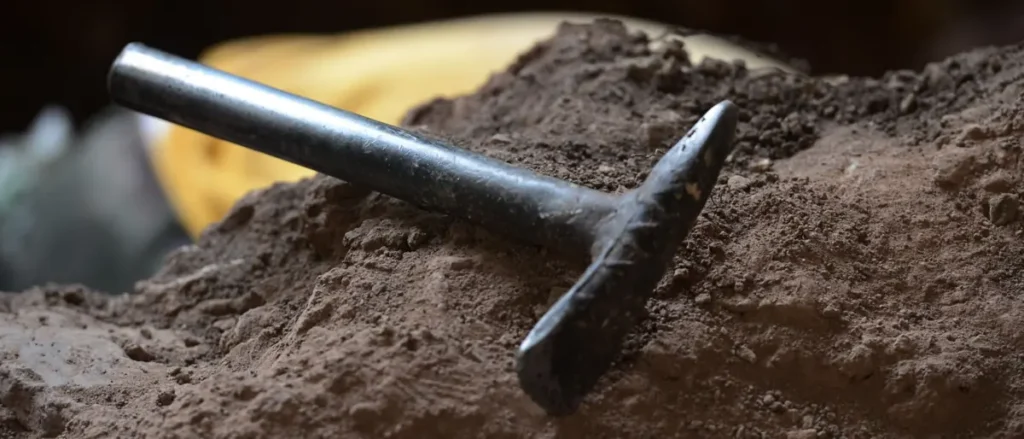
Abdel-Hay Abdel-Sawy, head of the Sudanese mission, detailed the lengthy and meticulous process of archaeological documentation. He explained that after initial sand and debris removal, the team used trowels and brushes for careful excavation, followed by detailed recording, mapping, and technical work, all of which are time-consuming.
Obłuski estimated the church’s dimensions at 154 feet wide and 187 feet long. In addition to the staircase, the team discovered a semicircular recess of the church, providing further insight into its design and function.
Cultural and Historical Impact
The discovery of the Great Church of Jesus not only sheds light on the architectural achievements of the Nubian civilization but also highlights the region’s rich religious and cultural heritage. The cathedral’s potential size and significance could redefine our understanding of medieval Nubian society and its role in the broader African context.
Source: Daily Caller