House GOP Leaves Early Amid Unresolved Issues
House Republicans depart for Thanksgiving break without resolving key issues like funding and national debt.
2 min read
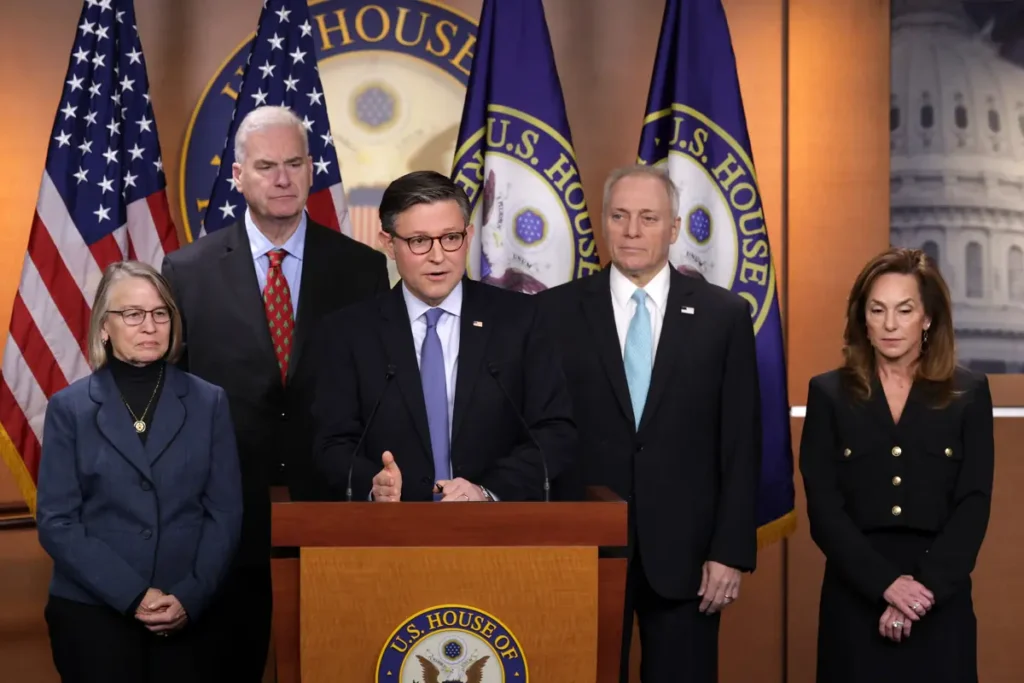
The House of Representatives is set to leave for Thanksgiving recess without resolving several critical issues, including government funding, affordability, and the national debt. The House canceled votes initially scheduled for Friday without addressing these unresolved matters, leaving key legislative priorities unattended as the party faces the end of its majority.
Congress has yet to reach an agreement on government funding past the Dec. 11 deadline. Some Democrats have suggested they would not agree to passing a continuing resolution (CR) if the Iran war continued.
News: House GOP leadership cancels votes on Friday
The House has not addressed artificial intelligence (AI) safety following a series of recent cyberattacks and tech outages. Tech engineers and prominent AI researchers resigned from major labs in September and warned that AI development must be slowed to prevent the technology from harming humanity.
Neither chamber has passed bills addressing automated license plate readers (ALPRs), including Flock Safety cameras. Several lawmakers introduced bills to restrict Flock cameras, though none would enforce an outright ban.
A third reconciliation bill, the National Defense Authorization Act (NDAA) and the farm bill, have yet to reach President Donald Trump’s desk as they await passage in the Senate. The national debt surpassed $40 trillion in August, yet lawmakers have not taken action to address it. The third reconciliation bill costs $95 billion and includes no offsets. It passed the House in July and has yet to be taken up by the Senate.
The package includes $10 billion for the House Administration Committee to hand out grants to implement the Safeguard American Voter Eligibility (SAVE) America Act, $73 billion for the House Armed Services Committee and House Permanent Select Committee on Intelligence to address the Iran war, and $12 billion to aid struggling farmers. It includes no spending offsets and would not address the $1.4 trillion deficit.
The Senate is likely to take up a major permitting reform bill aiming to lower energy costs by speeding up federal reviews of energy and infrastructure. If it passes the Senate, the House would need to approve the upper chamber’s changes before it reaches Trump’s desk.
The affordability crisis remains unresolved after the midterm elections. Democrats secured major victories in both chambers as voters disapproved of Trump’s handling of affordability.
Source: Daily Caller