ATF Faces Allegations Over 1.4 Billion Gun Records
Gun Owners of America accuse ATF of creating a gun registry, sparking congressional debate.
2 min read
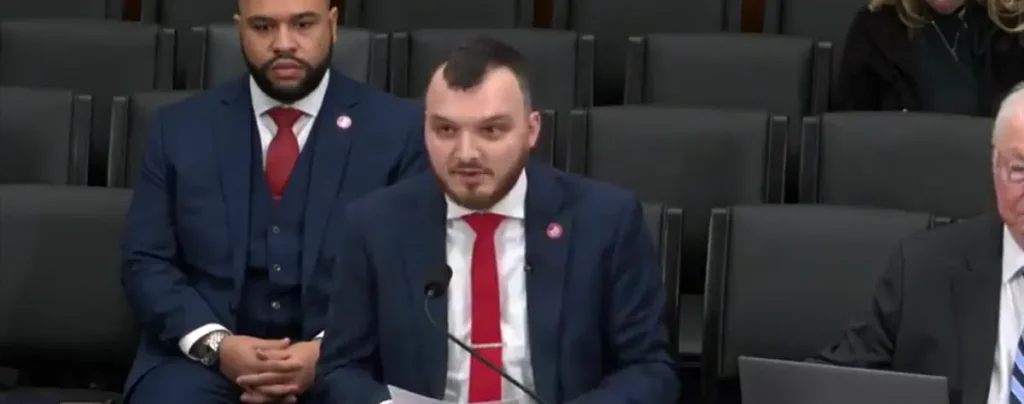
Gun Owners of America (GOA) has accused the Bureau of Alcohol, Tobacco, Firearms and Explosives (ATF) of violating federal laws by maintaining a vast database of firearms transactions. During a hearing before the House Oversight Committee, GOA’s Director of Federal Affairs, Aidan Johnston, testified that the ATF holds over 1.4 billion records identifying gun owners and their firearms.
ATF’s Record Retention Sparks Debate
Johnston claimed that these records, stored in a centralized database called the Out of Business Record Imaging System, are searchable and could be used for mass gun confiscation. He argued that the data violates the Second Amendment and poses a direct threat to law-abiding gun owners. According to Reason Magazine, the ATF maintains at least 866 million digital records from federally licensed firearms dealers, which have been the subject of controversy among pro-Second Amendment groups.
ATF Defends Its Actions
In response, an ATF spokesperson stated that the records are required by federal law and are used solely for tracing firearms in criminal investigations. The agency emphasized that it complies with legal requirements and that its records are not used for mass gun confiscation. The spokesperson also noted that ATF is currently working on a proposal to limit record retention to 30 years, aligning with rules from the 1980s.
Historical Context and Legal Disputes
The dispute between GOA and ATF intensified in July when ATF proposed reducing record retention requirements to 30 years for both dealers and the agency. This proposal was seen as a move to bring regulations in line with older standards. In 2022, the Biden administration extended the record retention period to match the duration of a firearms licensee’s business operations.
Broader Implications
The controversy over the ATF’s record retention has raised concerns about government overreach and the potential for misuse of data. While the ATF maintains that its actions are lawful, critics argue that the database represents a significant threat to gun rights and privacy. As the debate continues, the outcome could have far-reaching implications for both law enforcement and individual freedoms.
Source: Daily Caller