New York Ends 150-Year Horse Carriage Tradition by 2028
New York City bans horse-drawn carriages by 2028, ending a century-old Central Park tradition.
2 min read
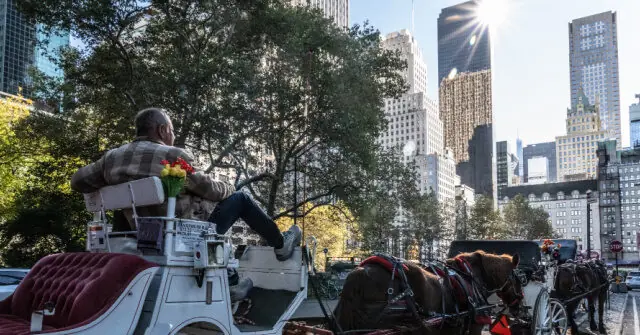
New York City has officially ended its 150-year tradition of horse-drawn carriage rides in Central Park, with Mayor Zohran Mamdani signing a law that will phase out the practice by June 1, 2028. The decision, which marks the end of a beloved New York experience, has sparked controversy among residents, workers, and political figures.
Phasing Out the Carriage Industry
Under the new law, known as Romanch’s Law, the city will stop issuing new carriage licenses and allow existing operators until June 2028 to continue their services. Mayor Mamdani emphasized the city’s responsibility to support those affected by the industry’s closure, stating that financial assistance and job training will be provided to workers and stable hands.
City Hall estimates that approximately 200 people rely on the carriage industry for their livelihoods. A detailed plan for buybacks and stipends is expected to be released in April 2027, following consultations with workers and their union.
Political and Public Reaction
Former President Donald Trump criticized the ban, calling it a political move and lamenting the end of a ‘quintessential New York experience.’ He argued that the decision was based on a single tragic accident, rather than a broader safety concern.
Trump’s comments were met with backlash from critics who pointed out that car accidents in Central Park have not led to similar restrictions on motor vehicles. The city’s decision to phase out horse-drawn carriages has also drawn attention to the safety and environmental concerns associated with the practice.
Legal and Ethical Challenges
The Transport Workers Union has filed a federal lawsuit to block the law, citing concerns over the financial impact on carriage owners and the lack of guaranteed compensation. Union leaders argue that the law unfairly restricts the sale of horses to other operators and bans the export of horses for slaughter, despite the city’s claim that sanctuaries and rescue groups are prepared to care for them.
A Tragic Incident
The law is named after Romanch Mahajan, an 18-year-old tourist from India who died in a horse-drawn carriage accident in Central Park on June 17. His family described the incident as a tragic accident, and the city medical examiner ruled his death accidental.
The closure of the carriage industry has sparked a broader conversation about tradition, safety, and the future of New York City. As the city moves forward, the impact on workers and the community will be closely watched.
Source: Breitbart