Ukraine Claims Laser Weapon Downed Russian Drone in First Known Use
Ukraine reports successful use of experimental laser weapon to shoot down Russian drone, marking a potential shift in drone warfare.
2 min read
Ukraine has claimed it successfully used an experimental laser weapon to shoot down a Russian drone, marking a significant development in the evolving battlefield of drone warfare. The announcement was made by Serhii Beskrestnov, a senior military adviser to the Ukrainian President, who credited the kill to the ‘Blysk’ laser system.
First Known Use of Laser Weapon
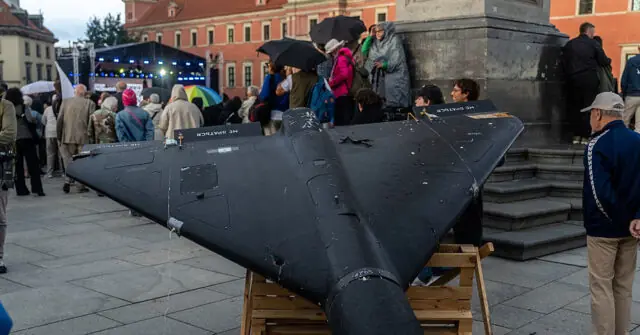
Beskrestnov stated that the drone, a jet-upgraded Shahed-type suicide drone, was shot down recently as part of a defensive operation to protect a critical infrastructure facility. He emphasized that the Blysk system is still under development and not yet ready for mass production, noting that laser technology is complex and capital-intensive.
The incident is described as a ‘world-first achievement,’ highlighting the potential of directed energy weapons in countering the growing threat of drones. Ukraine has been increasingly reliant on intercepting Russian drones, which have become a potent asymmetric weapon due to their low cost and high impact.
Evolution of Drone Warfare
As Ukraine improved its ability to shoot down Russian drones, Moscow responded by upgrading its drones with jet engines to make them harder to intercept. This represents a return to cruise missile principles, enhancing the threat posed by these unmanned aerial vehicles.
Ukraine began testing laser weapons in the summer and deployed the Blysk system to defend Kyiv earlier this month. However, the deployment faced challenges due to autumnal weather conditions, which can hinder the effectiveness of directed energy weapons by scattering the laser beam.
Comparisons to Global Systems
The Blysk system is described as relatively modest compared to other laser weapons in development. For instance, Israel’s Iron Beam system operates at 100 kilowatts with a range of 10 kilometers, while the UK’s Dragonfire system is understood to be a 50 kilowatt system. The UK has tested Dragonfire and planned to deploy it to Ukraine, though no further updates have been provided.
This development could signal a shift in the dynamics of drone warfare, offering a new tool for countering the growing threat of unmanned aerial systems in conflict zones.
Source: Breitbart