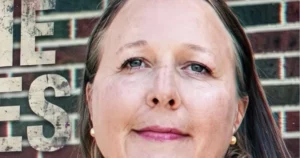
Loudoun County Ends ICE Partnership, Emphasizes Diversity
Loudoun County, Virginia, ends ICE collaboration, calling diversity its key goal amid legal challenges.

1 min read
Loudoun County, Virginia, the wealthiest county in the U.S., has officially ended its partnership with Immigration and Customs Enforcement (ICE), citing diversity as its core objective. The decision marks the discontinuation of the 287(g) program, which enabled local law enforcement to assist ICE in the custody transfer of criminal undocumented immigrants.
Legal and Political Context
The move follows a state-level initiative by Democratic Governor Abigail Spanberger, who signed a law to end such agreements in Virginia. However, the policy has faced multiple legal challenges. Prior to the program’s suspension, local jails would hold undocumented immigrants for up to 48 hours before ICE took custody. Now, these individuals will be released according to their scheduled release dates based on existing warrants or detainers.
Community and Law Enforcement Stance
Loudoun Chair-at-Large Phyllis J. Randall emphasized the county’s commitment to well-trained law enforcement and its belief in diversity as a strength, not just a goal. Randall criticized ICE for its poor training and the harm it has caused to communities across the country.
Statewide Trends and Impact
Other Democratic-led states have also made similar changes to their law enforcement agreements. For instance, Maryland Governor Wes Moore terminated all 287(g) agreements in February, signing a bill that prevented future coordination and ended existing contracts by July 2026. In 2026 alone, local officials in Loudoun reported releasing 330 undocumented immigrants to ICE custody, with over 500 arrests made since the program began in August 2024.
Broader Implications
The shift reflects a growing trend among progressive states to limit federal immigration enforcement collaboration. As the debate over immigration policy continues, the implications of these decisions will likely shape future policy and community relations.
Source: Daily Caller