Israel Election: Netanyahu Faces Major Political Test
Israeli voters head to polls as Netanyahu faces challenges from rivals over security, military service, and October 7 failures.
2 min read
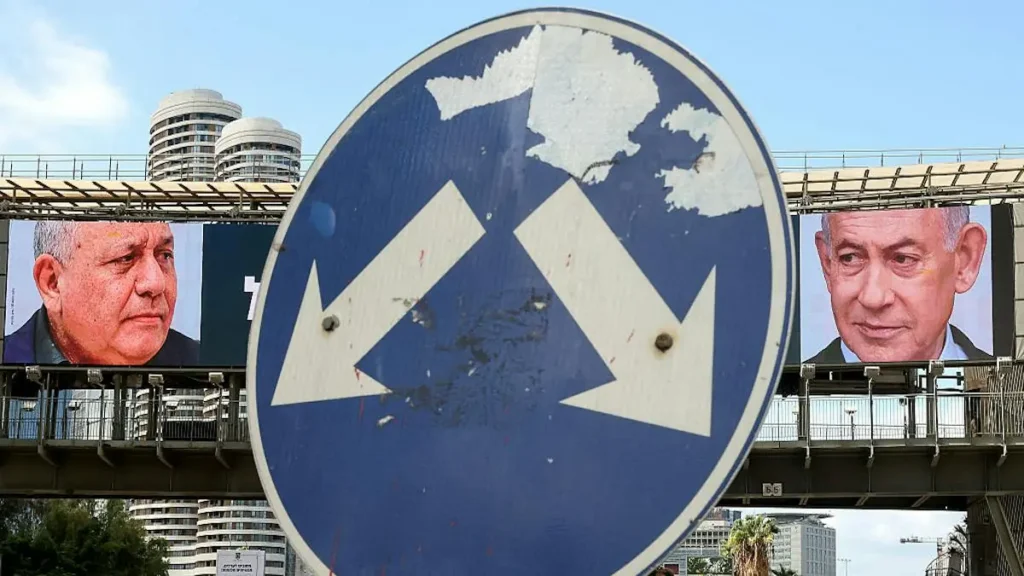
Israeli voters are set to cast their ballots in a crucial election that will determine whether Prime Minister Benjamin Netanyahu can retain power amid deep political divisions. The vote, taking place on Tuesday, will test Netanyahu’s ability to overcome criticism over the October 7 attacks, the ongoing war, and controversial military service policies.
Netanyahu’s Major Rivals
Netanyahu, Israel’s longest-serving prime minister, faces a significant challenge from former IDF Chief of Staff Gadi Eisenkot, who leads the newly formed Yashar Party. Recent polls suggest Eisenkot’s party is gaining traction, though neither Yashar nor Netanyahu’s Likud has secured a majority of the 61 seats needed to form a government.
Another major contender is B’Yachad, an alliance led by former prime minister Naftali Bennett, which includes centrist and right-leaning voters. The election will also test Netanyahu’s ability to maintain support from Haredi parties, which have long opposed mandatory military service for ultra-Orthodox men.
Political System and Challenges
Unlike the United States, Israeli voters do not directly elect their prime minister. Instead, they vote for political parties, which gain seats in the 120-member Knesset. The leader who can assemble a coalition with enough support to govern becomes prime minister.
Netanyahu’s Likud, a right-wing party emphasizing national security, faces opposition from Yashar, which criticizes his handling of the October 7 failures and advocates for broader military service requirements. The election also highlights a broader shift in Israeli politics, with right-wing and centrist parties dominating over the left.
Trump’s Endorsement and International Implications
President Donald Trump has publicly endorsed Netanyahu, warning that the U.S. may have to take on more responsibility for confronting Iran if Israelis choose a different leader. Trump’s comments have added international weight to the election, emphasizing the stakes for U.S.-Israel relations.
Controversial Military Service Policy
One of the most contentious issues is the requirement for ultra-Orthodox men to serve in the Israel Defense Forces. The policy, which dates back to the founding of Israel, has been a point of contention, with Netanyahu’s coalition relying on Haredi parties that oppose mandatory military service for yeshiva students.
As the election approaches, the outcome will not only shape Israel’s domestic politics but also its foreign policy and security strategy, with significant implications for the region and its international allies.
Source: Daily Wire