Democrats Reassess Medicare for All After Midterms
Democrats face pressure to scale back Medicare for All plans amid financial concerns and shifting political realities.
2 min read
Democrats have spent months campaigning on the promise of ‘Medicare for All,’ a sweeping healthcare plan that would replace private insurance with a government-run system. However, just two weeks after the midterms, signs of backtracking are emerging. The plan’s staggering cost—estimated at trillions of dollars annually—has raised concerns about its feasibility.
Financial Constraints and Political Shifts
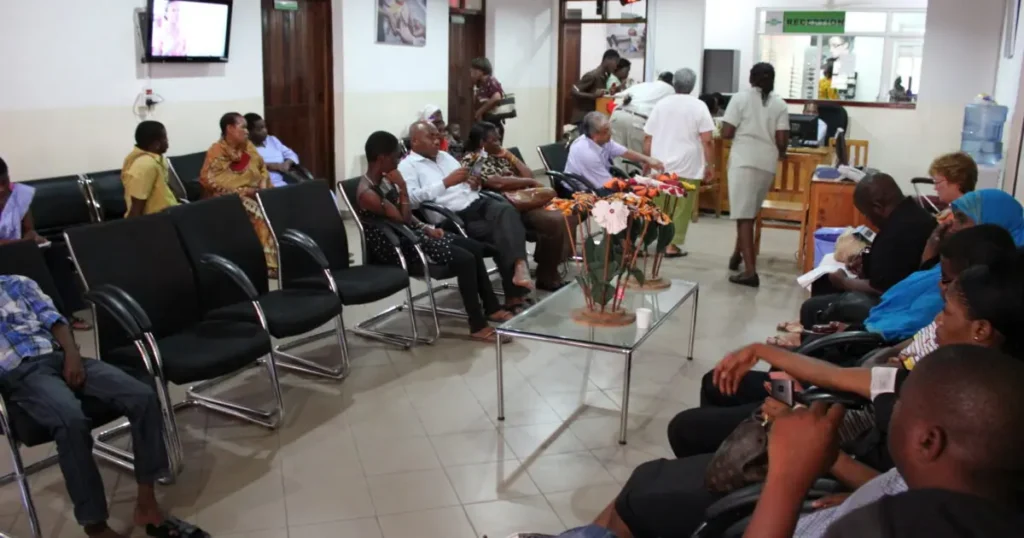
The Wall Street Journal reports that the push for Medicare for All is already narrowing in scope due to the challenges of overhauling a system that covers over 200 million Americans. True Medicare for All would replace most private health coverage with a government-run program, eliminating premiums, deductibles, and copayments.
Roughly 20% of 64 winning Democratic candidates in key races campaigned on full Medicare for All, while 60% supported a Medicare Buy-In or public option that would expand access without eliminating private insurance. As a result, the healthcare plans shaping up in Congress are unlikely to match the comprehensive promises made during the campaign.
Criticism and Cost Concerns
The New York Post Editorial Board has called Medicare for All a ‘snake oil’ plan, arguing that the idea of ‘free’ healthcare is misleading when Americans reject the reality of its costs. Senator Bernie Sanders, a leading advocate, claims the plan reflects where the American people are, citing Democratic victories as evidence of public support.
However, critics argue that putting everyone on Medicare could cost as much as $60 trillion over a decade. This financial burden has led many to question the viability of the plan, especially with the economy facing mounting pressures.
"If you think health care is expensive now, wait until you see what it costs when it's free." — P.J. O'Rourke pic.twitter.com/9QpPcIs21U
Political Realities and Public Sentiment
Despite Sanders’ optimism, the midterm results show voters are more concerned with cost control and the GOP’s failure to deliver on promises. The shift in public sentiment has forced Democrats to reconsider the scope of their healthcare proposals, balancing idealism with practicality.
As the legislative process unfolds, the debate over Medicare for All will likely continue, shaped by both political strategy and the realities of budget constraints.
Source: The Gateway Pundit