Anthropic IPO Sparks Debate on Circular Financing in Tech
Anthropic’s IPO has raised questions about circular financing in the tech sector and its impact on the economy.
5 min read
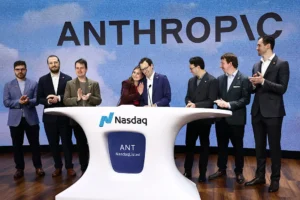
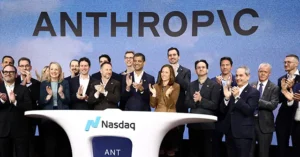
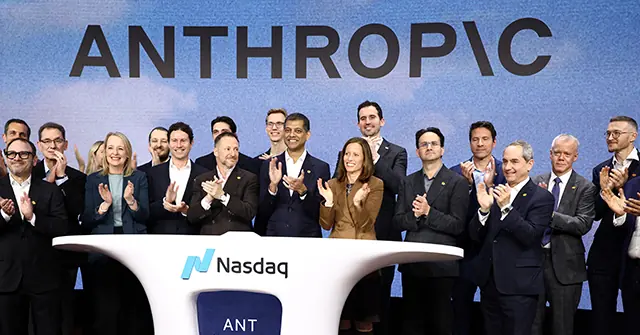
Anthropic’s initial public offering (IPO) has sparked a broader conversation about the nature of circular financing in the tech industry and its implications for the broader economy. The company, known for its large-scale AI models, saw its stock price jump by around 17 percent on the first day of trading, reflecting investor confidence in its potential. However, the significance of this event extends beyond just the financial performance of Anthropic itself, as it highlights the interconnectedness of major tech players like Amazon and Alphabet, and the complex web of financial relationships that underpin modern technology innovation.
The Circular Nature of Tech Investments
For many investors, owning an S&P 500 index fund already means indirectly owning a piece of Anthropic. These funds typically hold shares in major tech companies like Amazon and Alphabet, which together own about 28 percent of Anthropic. At the $83 offering price, their stakes were worth more than $300 billion. This means that even those who have never directly invested in Anthropic are still part of its financial ecosystem, as their funds are indirectly invested in the company through these tech giants.
Anthropic’s stock opened at $111.50 on its first day of trading, a 34 percent increase from its offering price. While it subsequently gave up some of that gain, the overall performance was positive, especially when compared to other stocks that were moving in the opposite direction. This dynamic has led to speculation about the broader economic implications of such circular financing schemes. Some argue that the success of Anthropic reflects a shift in the way technology companies are funded and operated, creating a feedback loop where investments in AI innovation generate returns that are reinvested into the same ecosystem.
Strategic Investments and Mutual Benefits
For companies like Google and Amazon, investing in Anthropic is not just a financial decision—it’s a strategic move. By acquiring shares in Anthropic, these tech giants can benefit from the company’s growth in ways that extend beyond mere financial returns. For example, if Google buys Anthropic stock, it can use the investment to support Anthropic’s operations, which in turn require significant computing power. This creates a mutual dependency where the success of one company directly benefits the other.
Amazon, in particular, stands to gain from this arrangement in several ways. First, by investing in Anthropic, it can ensure that the company’s AI models, such as Claude, are hosted on Amazon Web Services (AWS), which is a key component of Amazon’s cloud infrastructure. This not only enhances the value of AWS for Anthropic but also provides Amazon with a steady stream of revenue from the company’s operations. Additionally, by owning shares in Anthropic, Amazon can influence the direction of the company’s development, ensuring that it aligns with its own strategic goals.
The Broader Economic Implications
The concept of circular financing is not unique to the tech sector. It is a fundamental aspect of the modern economy, where money flows in cycles, creating a system of mutual dependency. This is exemplified by the example of a small town where the baker and the tailor each spend money on the other’s products, creating a cycle of economic activity that benefits both parties. This cycle is not just a theoretical concept; it is a practical reality that underpins the functioning of the economy.
The same principle applies to the tech industry, where the investments made by companies like Amazon and Alphabet in Anthropic create a cycle of mutual benefit. These investments not only generate returns for the investors but also support the development of new technologies that can drive economic growth. For instance, the money invested in Anthropic is used to develop AI models that can be used by various industries, from healthcare to finance, creating new opportunities for innovation and economic expansion.
The Challenge of Circular Financing
Despite the benefits of circular financing, there are concerns about its potential to create imbalances. If Anthropic fails to deliver on its promises, the investments made by Amazon and Alphabet could be at risk. This is a classic example of a double exposure, where the success or failure of one company directly impacts the financial health of its investors. This risk is not unique to Anthropic; it is a common challenge in any investment that involves a complex web of financial dependencies.
For example, companies like Nvidia have taken a more aggressive approach to circular financing by investing in CoreWeave, a company that sells chips and owns CoreWeave stock. This arrangement creates a direct link between the company’s operations and its financial performance, making it a more complex and potentially risky investment. The same principle applies to Anthropic, where the success of the company is closely tied to the financial health of its investors, creating a cycle of mutual dependence that can be both beneficial and risky.
The Future of Circular Financing
As the tech industry continues to evolve, the role of circular financing is likely to become even more significant. The investments made by companies like Amazon and Alphabet in Anthropic are not just about financial returns; they are about shaping the future of AI technology and its applications. This kind of investment creates a cycle of innovation where the development of new technologies is supported by the financial resources of major tech companies, which in turn benefit from the growth of these innovations.
However, the challenge remains in ensuring that these investments are used effectively to drive innovation and economic growth. The success of Anthropic and similar companies will depend on their ability to deliver on their promises and create value for their investors. This requires a careful balance between the financial interests of the investors and the strategic goals of the companies they invest in. Ultimately, the future of circular financing in the tech industry will be determined by its ability to create value for all stakeholders involved.
Source: Breitbart