College Is Not High School: A Shift in Academic Responsibility
A former student and instructor shares the challenges of transitioning from high school to college and the importance of responsibility.
3 min read
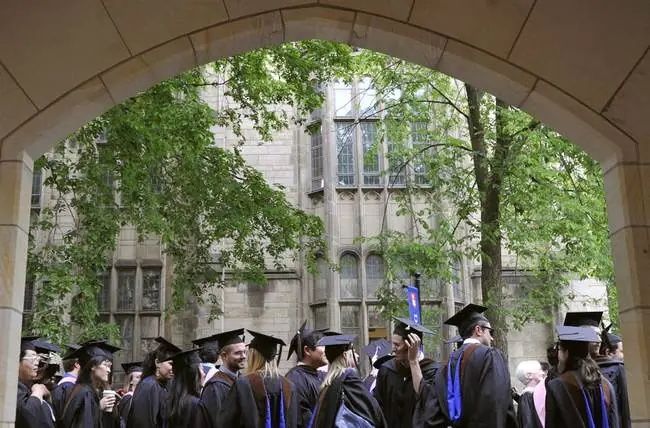
College is supposed to be a place where you go to figure out what you’re good at and what kind of degree you will need in order to get a decent-paying job in the future. It is a time when you can make mistakes without too much penalty and where you learn how to do better. For a lot of people, it’s their first time living without mom and dad. People have to learn how to do their own laundry, get enough to eat throughout the day, and get to their classes on time.
College Is Not High School
College is not high school. The professors do not have to do much beyond showing up and lecturing. The time when a student could go to their teacher and know the teacher would have to work with them to get the grade up is over. Deadlines are fixed, and unless something truly awful happens, a late assignment may not be accepted. If it is, it will receive a much lower grade. What worked in high school probably will not work in college, unless the professor wants to be nice.
A Personal Journey
I was not a good college student in the beginning. I enjoyed being in college a little too much. I did so poorly that I got thrown out for a very low GPA. To say my mother was not happy with me would be putting it mildly. I came home, got a job as a grocery store checker, and went to a local community college for a year. When I went back to my college, I had made a much-needed attitude adjustment and made the dean’s list for high grades for my first semester back. My low GPA followed me, and I graduated with a C-.
Teaching and Learning
Having been a scatterbrain in college, I know what it looks like. Having taught in college for as long as I have, I’ve heard just about every excuse. My students are far more creative than I would have been, but they also have technology that I didn’t have. All my students have to do is e-mail me. Students are far braver sitting behind a computer screen than having to speak face to face. If I needed to beg for mercy from my professors, I had to do it face to face, in their office, if they were there.
Expectations and Responsibility
The university for which I teach has very specific standards for late work. The students have ten days after an assignment is due to submit their work. Ten points are taken off each day the assignment is late, up to 10 days. Once the ten days are over for that assignment, that’s it. It’s written in the syllabus. I make an announcement at the start of the session specifically about the late policy. Even after the placement in the syllabus and the announcement and the occasional reminder, I still have students who ask about late work or extra credit.
Preparing for the Real World
Some of my students today actually expect me to bend the rules for them and let them submit beyond the deadlines. I had one student who wanted to submit three weeks of work at once. They were not at all happy that they couldn’t. So far, no one has said “But in high school…” to me. If and when that happens, I will probably laugh, but they won’t know it as we’re using e-mails to communicate. We do our children a grave disservice by not allowing them to fail. By allowing them to submit work late or redo assignments over and over, we’re teaching them that it’s okay to goof around.
Source: PJ Media