NYC Storefront Vacancy Hits Record High Amid Economic Strain
New York City storefronts face unprecedented vacancy levels, with over 16,000 businesses closed in recent years.
1 min read
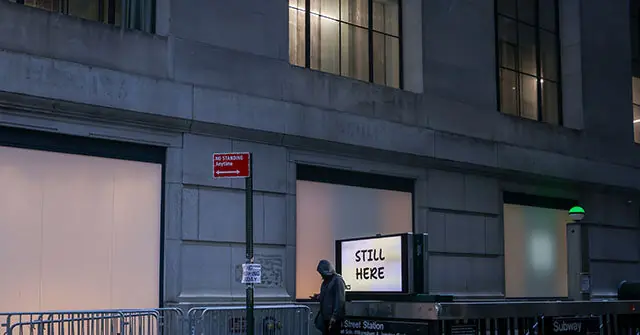
New York City storefronts are facing an unprecedented surge in vacancy, with over 16,000 businesses shuttered across the five boroughs. According to the latest data from the NYC Comptroller’s Storefront Vacancy Dashboard, the vacancy rate climbed to 11.32% in the third quarter of 2026, marking a slight increase from the previous quarter. This trend is particularly pronounced in Brooklyn and Queens, which have seen a sharp rise in empty storefronts since late 2023.
Net Loss of 276 Businesses
The latest report reveals that between July and September 2026, 2,551 storefront businesses closed, while only 2,275 new ones opened, resulting in a net loss of 276. Small businesses accounted for nearly three-quarters of these losses, with 2,201 closures and 1,996 openings. The number of storefront businesses opening fell by 16.1% from the previous quarter, while closings declined by 17.4%.
Uneven Recovery Across Boroughs
Manhattan leads with the highest vacancy rate at 13.12%, down slightly from 15.8% in 2023. Brooklyn follows at 12.68%, while Queens has seen a steady rise since 2023, reaching 9.8%. City Comptroller Mark Levine emphasized the importance of thriving commercial corridors for the city’s economic health, noting that while New York has recovered from the pandemic, the recovery has been uneven, with many communities struggling with empty storefronts.
Industry Voices on the Crisis
Andrew Rigie, executive director of the NYC Hospitality Alliance, described the report as a “wake-up call,” urging the city to focus not only on supporting new businesses but also on preventing existing ones from closing. Jessica Walker, president and CEO of the Manhattan Chamber of Commerce, highlighted that while Manhattan’s recovery is real, it is uneven, with certain corridors still struggling due to factors like the loss of five-day office workers and reliance on single anchor tenants.
Source: Breitbart