Johnny Depp’s ‘Ebenezer’ Reimagines ‘A Christmas Carol’ as Gothic Horror
Ti West’s ‘Ebenezer’ blends horror and holiday spirit, with Johnny Depp as Scrooge in a fresh take on Dickens’ classic.
3 min read
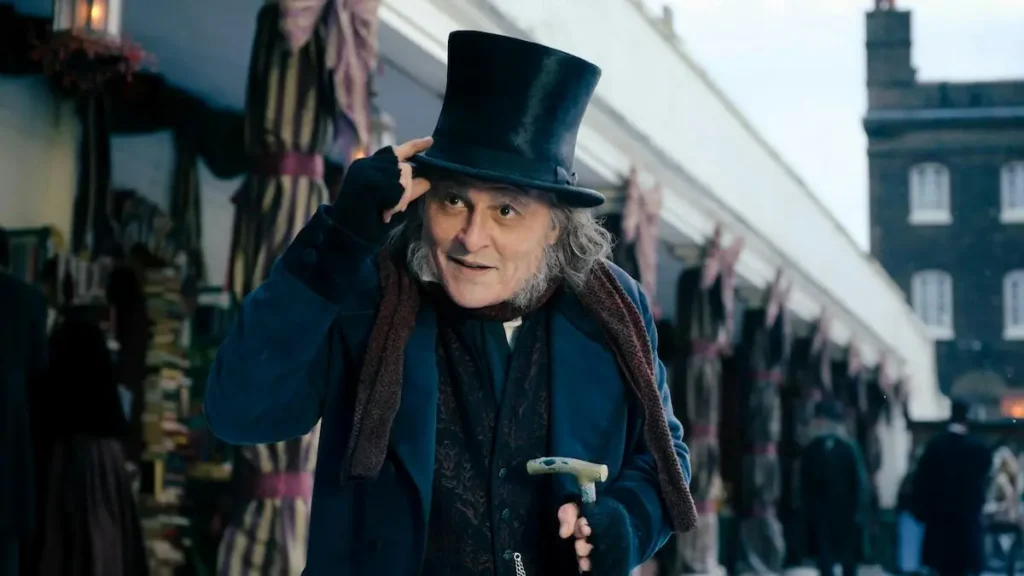
Ti West’s chilling adaptation of ‘A Christmas Carol,’ titled ‘Ebenezer,’ reimagines Charles Dickens’ classic tale as a Gothic horror spectacle. The film, filled with corpses, ghosts, and redemption, offers a stark departure from traditional holiday cheer. Wrought-iron gates, scepters made from human skulls, dripping candles, and smoky cobblestone alleyways teeming with rats create an unsettlingly festive atmosphere. The film leans heavily into the macabre, with a visual style that merges the eerie aesthetics of Robert Eggers with the surreal imagination of Tim Burton.
A Haunting Return to Form for Johnny Depp
Johnny Depp, making his return to Hollywood, embodies Ebenezer Scrooge with a fervent embrace of his embittered misanthropy. Depp’s Scrooge is consumed by unquenchable avarice, having deadened himself to life’s pleasures. Christmas merriment is an affront to his sensibilities, and he greets wishes of ‘Merry Christmas’ with the indignation of a human resources manager. His transformation from a heartless miser to a reformed man is the film’s emotional core.
Horror Meets Redemption in a Gothic Tale
West’s horror sensibilities are particularly effective when the spirits arrive, each introduction heralded by a title card in blood-red medieval lettering. Andrea Riseborough’s Ghost of Christmas Past is a cadaverously pale apparition with chilling, pupil-less eyes, while Tramell Tillman’s Ghost of Christmas Present slowly decomposes until his hollowed torso reveals a birdcage of yellowed ribs, imprisoning the ghastly children Ignorance and Want. A melancholy rendition of ‘Silent Night,’ carried by aching strings, lends the pallid proceedings a mournful Christmas solemnity.
A Timeless Message of Redemption
Beneath the Gothic trappings, ‘Ebenezer’ delivers Dickens’ enduring story of redemption. Scrooge has mistaken emotional isolation for security, and his wealth has become an elaborate defense against intimacy. His former fiancée articulates the tragedy when she declares, ‘An idol has replaced me, a golden one.’ He counters that poverty is a chain and that he intends for his relentless work to secure their future. The film captures the tragic irony of Scrooge’s life, where his obsession with financial security becomes its own prison.
A New Perspective on Charity and Wealth
One intriguing addition in ‘Ebenezer’ is a pair of ostensibly charitable gentlemen who turn out to be embezzlers, siphoning donations into their well-tailored pockets. Scrooge is quick to sniff out their hypocrisy when they waft in on Christmas Eve vying for his checkbook. The novel detail complicates the simplistic division between greedy businessmen and virtuous philanthropists, highlighting that charitable professions do not confer automatic moral virtue. Yet Scrooge’s own greed has also made him cruel to Bob Cratchit, a long-suffering clerk.
A Satisfying Ending
The distinction makes the ending especially satisfying. When the reformed Scrooge offers to arrange for a skilled physician to treat Bob’s ailing son, the clerk initially balks at accepting charity. Scrooge assures him that he has no intention of paying the medical bills anyway; instead, he offers Bob a raise and a partnership in the firm, granting his faithful clerk a stake in the prosperity they help create. This ending reinforces the film’s central message: that the intangible and incalculable riches of family, friendship, and basic human decency are worth more than any material fortune.
Source: Daily Wire