Banks Accused of Using Climate Policies to Debank Customers
Conservative watchdog claims major banks are weaponizing climate targets to punish customers and disrupt financial stability.
2 min read
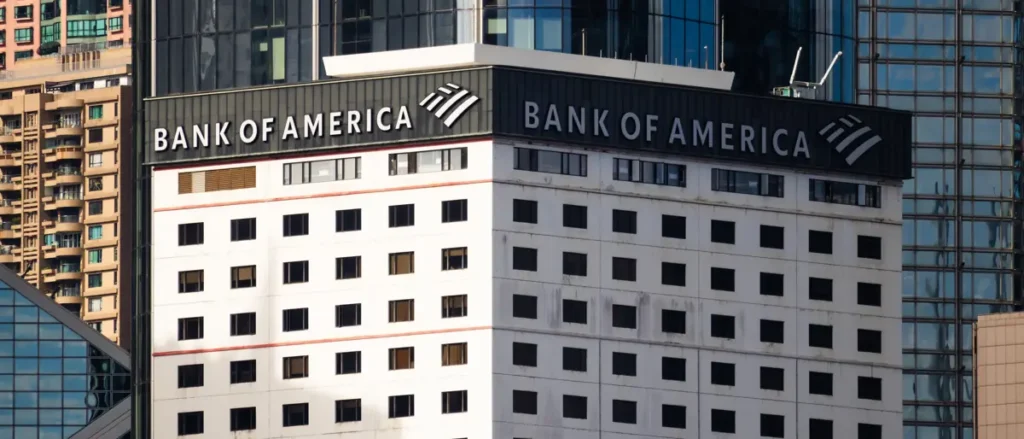
A conservative watchdog group is calling on the federal government to investigate major banks over climate-related policies it says have led to debanking, the Daily Caller News Foundation first learned. JPMorgan, Citi, Bank of America, and Morgan Stanley are accused of engaging in unsafe banking practices due to their commitments to net-zero carbon emissions and climate-finance targets, according to Consumers’ Research Executive Director Will Hild.
Climate Policies Under Fire for Debanking Practices
Hild warned in a letter to the U.S. Office of the Comptroller of the Currency (OCC) that these banks have been politically motivated debanking since 2020. He stated, “For years, banks have been using their outsized influence to punish their political enemies through debanking for political and religious reasons.” Hild argues that the banking industry has weaponized climate policies to cut off access to financial services for certain customers.
Three Concerns Raised About Climate Targets
The letter outlines three primary concerns about the banks’ climate policies. First, net-zero and climate-finance targets threaten bank safety and soundness by forcing institutions to shift from financing profitable businesses to riskier startups. Hild argues that these policies prioritize climate interests over fiduciary responsibilities, endangering financial stability.
Second, the letter claims that these policies deny fair access to customers, particularly higher-emitting businesses, by forcing them to change operations or lose financing based on non-financial criteria. This mirrors past debanking practices for political reasons, Hild notes.
Third, the letter states that climate policies hurt consumers by increasing financing to foreign companies, including Chinese firms, and conflict with President Trump’s efforts to reduce energy costs and boost national security. Hild cites the example of JPMorgan, Bank of America, and Morgan Stanley helping Chinese battery giant CATL raise billions despite its status as a foreign military company.
The evolution of the far-left’s narrative on debanking: First, it was "debanking isn’t real." Then, it was "debanking isn’t actually happening." Now, it’s "debanking is allowed and a net-positive, actually." https://t.co/PnRS1QPUAU
Examples Highlight Risks of Climate-Driven Investments
Hild also references the failure of Silicon Valley Bank as an example of how over-investing in volatile start-ups, such as electric vehicle companies, can lead to financial instability. He argues that these climate policies pressure existing borrowers in energy, aviation, and manufacturing to adopt unviable emissions-reduction strategies.
“Second, net-zero targets deny fair access to customers, because they unfairly harm higher-emitting businesses by forcing those businesses to change their operations or lose critical financing based on non-financial criteria,” the letter reads. Hild’s letter argues that these policies threaten customer financing based on criteria that single out higher carbon-emitting companies.
Call for Government Action
Hild’s letter requests that the OCC expand its focus on political debanking to include climate policy, urging the agency to build upon its supervisory regulation of these banks. He believes that these climate-related banking commitments are undermining the financial system and harming consumers.
Source: Daily Caller