Bipartisan Energy Bill Aims to Lower Costs, Speed Projects
A bipartisan energy bill seeks to cut costs and streamline projects, with both parties facing challenges.
2 min read
Americans struggling with high electricity bills are calling for affordable power and reliable service, urging Congress to support a bipartisan effort to reform the energy permitting process. The Senate is set to vote on a procedural measure on November 9, which would advance the discussion of the Bipartisan American Affordability and Jobs Act (BAAJA). This legislation aims to streamline federal approvals for energy and infrastructure projects, with the goal of lowering costs and boosting construction.
Bipartisan Effort to Improve Permitting
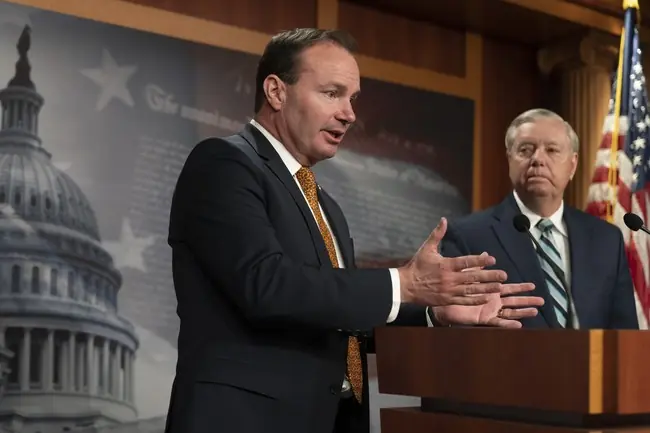
The bill includes provisions for tribal consultation, expanded state roles in transmission planning, and modifications for electric cooperatives and public utilities. A new Department of Energy program would assist communities with data-center impacts. The measure is supported by both Republicans Shelley Moore Capito and Mike Lee, and Democrats Martin Heinrich and Sheldon Whitehouse.
Senators argue that the bill would deliver near-term savings on electricity costs and lay the groundwork for future climate legislation. “This bill is the floor, not the ceiling, of our climate and environmental aspirations,” said Whitehouse. The legislation addresses environmental reviews, transmission, energy permitting, and historic preservation, ensuring that a project’s political popularity does not influence its approval process.
Partisan Challenges and Support
Republicans should welcome the reform to make federal decisions more predictable, as investors and workers need clarity to move forward. However, Democrats face their own challenges, with some pushing to delay action until they gain control of Congress in January. Tribal organizations and environmental groups also have concerns about sovereignty and cultural resources.
Both parties must address specific issues with targeted changes, ensuring that protections for sacred places and community input are maintained. The bill’s sponsors have revised the proposal to strengthen tribal consultation and protect households from energy cost burdens caused by large data centers.
While passing the bill won’t immediately lower everyone’s electric bill, it could remove obstacles that prevent supply and infrastructure from meeting demand. The sponsors emphasize the need for clearer rules, responsible cost allocation, and timely decisions to allow sound projects to proceed.
Source: PJ Media