Cruz Shames Booker for Judicial Nomination Hypocrisy
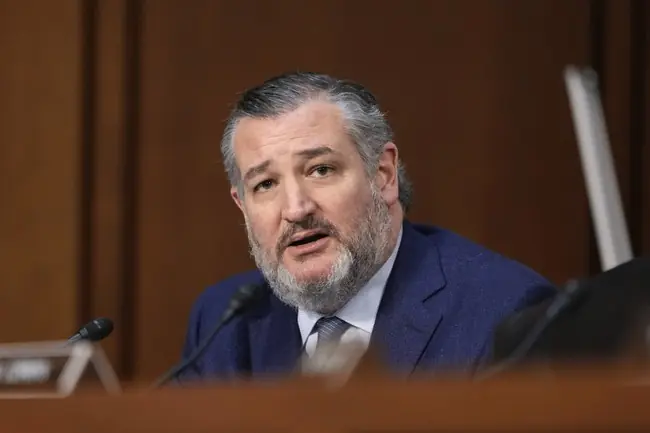
Sen. Ted Cruz exposes Sen. Cory Booker’s hypocrisy over judicial confirmations during a Senate hearing.
3 min read
During a Senate hearing, Sen. Ted Cruz (R-Texas) delivered a sharp rebuke to Sen. Cory Booker (D-N.J.) over his criticism of judicial confirmations during a lame-duck session. Booker had accused Republicans of pushing through nominations for short-term political gain, undermining the integrity of institutions. However, Cruz swiftly countered by pointing out Booker’s own past actions, highlighting the hypocrisy of the Democratic Party.
The Hearing and Booker’s Accusations
As the Senate moved through a lame-duck session, Republicans were working to confirm around 25 federal judicial nominees. By Tuesday, 11 nominees had cleared the Judiciary Committee, with seven more scheduled for debate on Wednesday. Booker, who had previously criticized the process, took the opportunity to voice his concerns in front of the committee.
During the hearing, Booker addressed the nominees directly, expressing disappointment that they would be appointed under a cloud created by the committee. He framed the situation as an erosion of institutions and a threat to democracy. This moment was intended to be solemn and righteous, but Cruz was quick to dismantle it.
Cruz Exposes Booker’s Hypocrisy
Cruz began by referencing an old adage about hypocrisy, comparing Booker’s indignation to Captain Renault from the film Casablanca, who was shocked to find gambling in an institution. He then turned to the 2024 election, where the American people had overwhelmingly voted to oust the Democrats from power, electing a Republican president, Senate, and House.
Cruz reminded the committee that the same Democrats who now criticized the process had, just two years prior, rammed through 22 federal judges before leaving office. He pointed out that Booker had not objected to these confirmations, which were part of the same process now under scrutiny.
Cruz emphasized that this was a routine operation of democracy, where the president nominates judges and the Senate provides advice and consent. He highlighted that the process was not a threat to institutions but a constitutional function. By doing so, he effectively turned Booker’s own rhetoric back on him, exposing the inconsistency in the Democratic Party’s stance.
Booker’s Expectations and Reality
Booker had expected his moment of moral outrage to be taken seriously, but Cruz made it clear that the Democratic Party had a history of similar actions. The senator’s criticism was not new, and the process he condemned had been used by Democrats in the past without objection.
Cruz’s rebuttal was a masterclass in political theater, turning Booker’s accusations into a reflection of the party’s own behavior. He made it clear that the Democratic Party’s concern for institutions was conditional, vanishing when they held power and resurfacing when they did not.
Democratic Hypocrisy and the Institutional Concern
The incident underscored the recurring theme of Democratic hypocrisy in the Senate. When Democrats confirm judges during a lame-duck session, it is seen as routine. However, when Republicans do the same, it is framed as a threat to democracy. This double standard has been a point of contention for years, with both parties using the same process to advance their agendas.
Cruz’s response was not just a political maneuver but a clear call to accountability. He reminded the committee that the process was part of the constitutional framework and that the Democratic Party’s complaints were largely performative. This moment highlighted the broader issue of institutional integrity and the role of the Senate in the judicial confirmation process.
Conclusion and Implications
The hearing revealed the deepening divide between the two parties over the role of the Senate in judicial confirmations. While Booker framed the process as a threat to democracy, Cruz presented it as a constitutional function. This exchange not only exposed the hypocrisy of the Democratic Party but also reinforced the importance of institutional checks and balances.
As the Senate continues its work during the lame-duck session, the debate over judicial confirmations will likely remain a focal point. The incident with Booker and Cruz serves as a reminder of the political theater that often accompanies such proceedings and the need for transparency and accountability in the confirmation process.
Source: PJ Media