DC Metro Faces Budget Crisis Amid 64% Fare Evasion
Washington Metro considers fare hikes and service cuts to address budget deficit and fare evasion.
2 min read
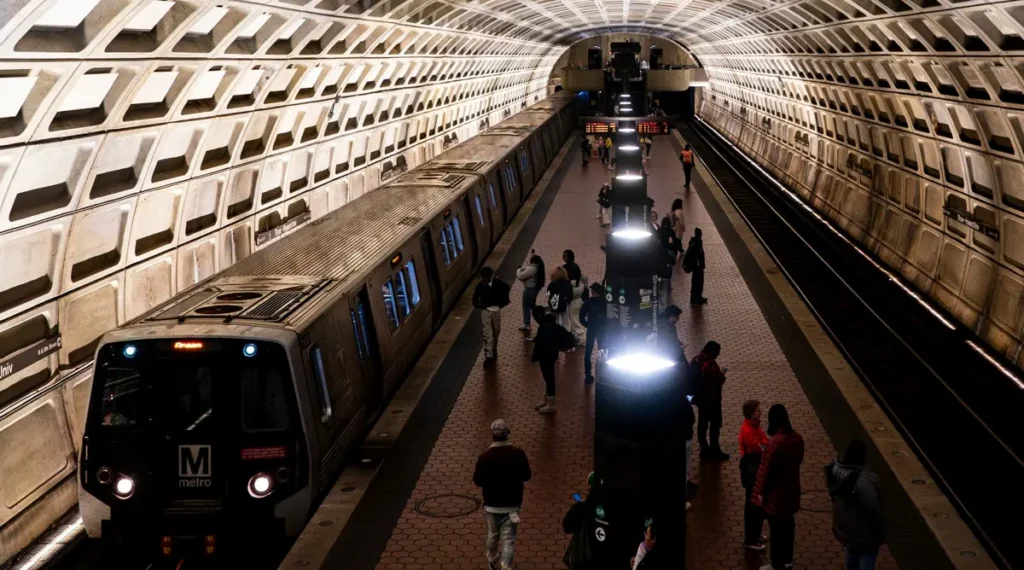
Washington Metro, the rapid transit system of the U.S. capital, is grappling with a severe budget deficit and a high rate of fare evasion. General Manager Randy Clarke has proposed potential solutions, including raising bus fares and reducing service, to address the financial challenges. The Metro is facing a significant shortfall, even with a planned fare increase, prompting discussions about further adjustments.
Fare Evasion and Financial Pressures
According to recent reports, more than 64% of bus riders evade paying their fares, despite ongoing campaigns by Metro officials to encourage payment through cards or smartphones. Clarke has acknowledged the difficulty in finding additional funding to maintain current service levels, citing inflation and rising tariffs as contributing factors to the budget deficit.
Clarke has also mentioned the increasing costs of fuel and electricity, which have outpaced the subsidies provided by local governments. These financial strains have led to discussions about potential service cuts as a way to balance the budget. Clarke emphasized that significant reductions in service would be necessary to achieve the required savings, stating that minor adjustments like reducing train frequency would not suffice.
Proposed Solutions and Future Plans
Clarke has suggested exploring amendments to local and state laws to help punish fare evaders, a move that has been previously discussed. The Metro is also considering seeking additional support from jurisdictions to help cover the costs of maintaining service. Clarke will present the 2028 fiscal year budget in December, outlining specific proposals for fare increases and service cuts.
These measures come amid a broader financial crisis for the Metro, which has been struggling to keep up with rising operational costs. The proposed changes could have a significant impact on riders, with potential reductions in service affecting daily commutes and access to transportation. As the Metro faces these challenges, the need for a balanced approach to both financial sustainability and public service remains critical.
Source: Daily Caller