Glendale’s Concealed Carry Fees Under Fire for Violating Second Amendment
Federal lawsuit challenges Glendale’s $2,100 concealed carry permit fees as unconstitutional.
4 min read
Glendale, California, faces a federal lawsuit over its concealed-carry permit fees, which the Justice Department claims violate the Second Amendment. The lawsuit, filed by President Donald Trump’s administration, alleges that the city’s high application and renewal costs create an undue financial burden for residents seeking to carry a firearm for self-defense. The total initial application fee ranges from $1,971 to $2,106, with renewal costs between $1,271 and $1,406 every two years. These expenses, the DOJ argues, make it nearly impossible for working families, especially those living paycheck to paycheck, to exercise their constitutional right to bear arms.
A Costly Process for Working Parents
The case centers on a working parent in Glendale, whose financial responsibilities—rent, groceries, and other essential expenses—make the $2,100 application fee a significant barrier to obtaining a concealed-carry permit. The DOJ notes that the city’s initial application fee is $1,078, but additional costs such as fingerprinting, required training, and a psychological evaluation push the total to over $2,100. These fees, the department argues, are not just a financial burden but a constitutional violation that disproportionately affects lower-income residents.
DOJ Alleges Excessive Fees and Discretionary Screening
In its lawsuit, the DOJ claims that Glendale’s concealed-carry permitting system imposes “unreasonable fees and unbridled discretion” that undermine the Second Amendment. The department points out that the city’s fees starkly contrast with those from the previous fiscal year, when first-time applicants were charged only $100 and renewals cost $25. This discrepancy, the DOJ argues, highlights the city’s failure to provide a fair and accessible process for obtaining a permit.
Acting Assistant Attorney General’s Statement
Acting Assistant Attorney General for Civil Rights Jesus Osete emphasized that the city’s fees and screening practices violate the constitutional right to bear arms. “The city of Glendale cannot impose unreasonable fees and unbridled discretion that undermines that core constitutional right,” Osete stated in the lawsuit announcement. According to the DOJ, the financial burden of the application process can prevent individuals from even starting the process, regardless of their qualifications or responsibilities.
Glendale’s Defense: Fees Reflect Processing Costs
Glendale’s police department maintains that the fees are necessary to cover the costs of processing applications, including background checks, document review, and staff time. The city also states that fees are not refundable if an application is denied. Applicants must separately pay for fingerprinting, psychological testing, and firearms training. However, the DOJ argues that these justifications do not absolve the city of its constitutional obligations, as the fees create a financial barrier that disproportionately affects lower-income individuals.
The Supreme Court’s Role in the Case
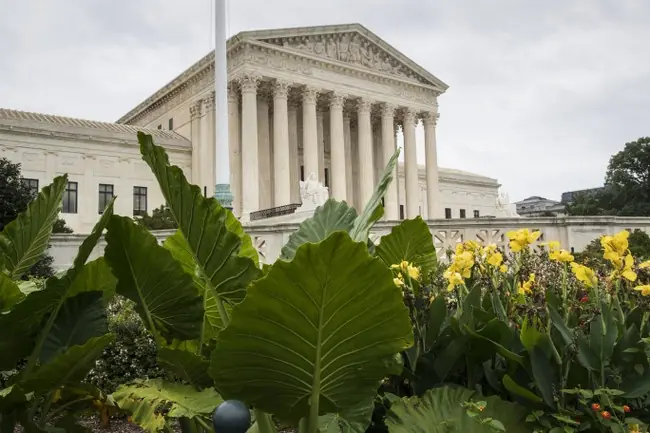
The Supreme Court’s 2022 Bruen decision, which clarified the legal standards for evaluating Second Amendment challenges, is central to the case. The ruling emphasized that licensing systems must be objective and not impose undue burdens on individuals seeking to carry a firearm. The DOJ argues that Glendale’s fees and discretionary screening practices fail to meet these standards, as they create an excessive financial burden that can prevent people from exercising their constitutional rights.
Challenges to Reference Interviews and Psychological Examinations
In addition to the financial costs, the DOJ also challenges Glendale’s use of reference interviews, psychological examinations, and reviews of public statements—including social media posts. Federal officials allege that the city has not published objective standards for these checks, making it difficult for applicants to understand what criteria are being used to evaluate their suitability for a permit. The DOJ argues that clear and objective standards are necessary to ensure that the process is fair and transparent.
Public Demand for Transparency and Fairness
Public advocates argue that the city must provide detailed explanations of the costs involved in the application process, including how many staff hours each application requires and which tasks justify the charges. The DOJ emphasizes that the public should be able to inspect the calculation of these fees to ensure that they are justified and not excessive. The case highlights the need for a process that is accessible to all residents, regardless of their financial situation.
Implications for Constitutional Rights and Access
The case has significant implications for the constitutional rights of Americans with modest incomes. These individuals, who often work late shifts, raise children, and manage multiple responsibilities, face the same need for self-defense as their wealthier neighbors. However, the financial burden of the application process can make it nearly impossible for them to obtain a permit. The DOJ argues that Glendale’s system is not only unconstitutional but also fails to meet the practical needs of its residents.
What Comes Next
The lawsuit is just the beginning of a legal process that will require evidence and a judicial decision. While a federal complaint does not establish liability, the case will need to be evaluated based on whether the city’s requirements operate within the constitutional limits outlined in the Supreme Court’s Bruen decision. Glendale will have the opportunity to defend its practices, but the public should demand a specific accounting of the costs and standards used in the application process.
Source: PJ Media