Prepper Panic: Fearmongering and Cyberattacks Fuelled Panic
A mix of fearmongering and cyberattacks sparked a nationwide panic over supplies and preparedness.
3 min read
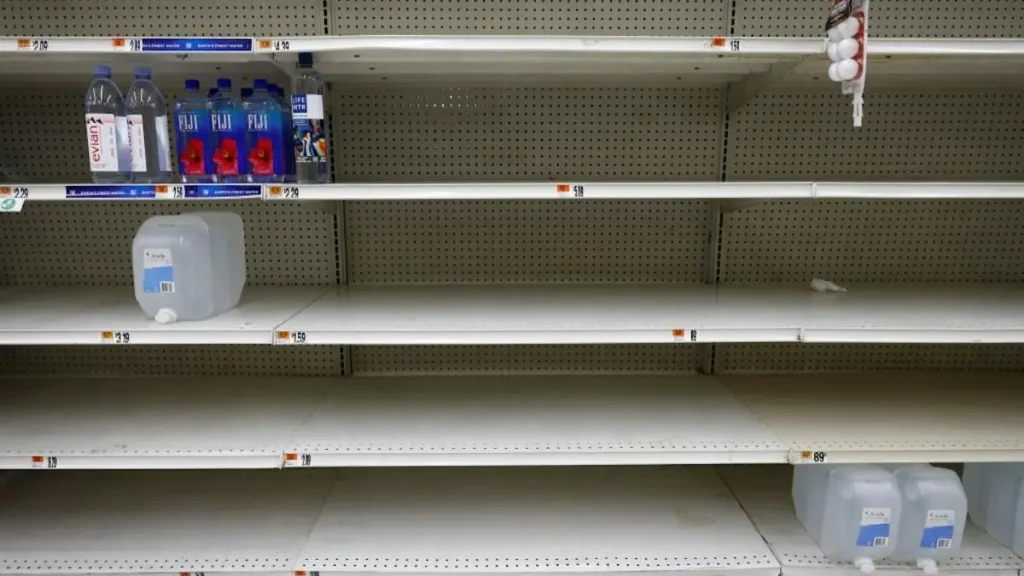
What sparked the recent prepper panic across the United States, with people rushing to empty store shelves of essentials like toilet paper and bottled water? The answer lies in a complex mix of real-world vulnerabilities and the influence of online fearmongering. While the nation managed to avoid a major catastrophe, the fear of one led to widespread panic, driven by a combination of real threats and viral misinformation.
The Role of Fearmongering
Tucker Carlson’s claim on November 1 that the Trump administration was on the verge of launching a nuclear strike on Iran served as a catalyst for the panic. However, this claim was entirely unfounded. The U.S. Central Command has been maintaining a defensive posture in the Strait of Hormuz, working to ensure the continued flow of oil and responding to attacks by the Iranian Revolutionary Guard Corps (IRGC). Any potential military action would likely involve conventional weapons, not nuclear ones, due to the significant risks and consequences of breaking the nuclear taboo.
The United States’ nuclear arsenal is primarily designed to deter adversaries from attacking U.S. vital interests. The idea of using nuclear weapons against a regime that is already significantly weakened, with limited military capabilities, is not only militarily indefensible but also a dangerous precedent that could have catastrophic global consequences.
Cyberattacks and Hybrid Warfare
While Carlson’s fearmongering played a role, it was not the sole cause of the panic. Recent weeks have seen a series of cyberattacks targeting food supply chains in Europe, which have been attributed to Russian hybrid warfare tactics. These attacks have led to severe disruptions, including freezer temperatures exceeding 122 degrees Fahrenheit in several countries, resulting in significant food spoilage and loss.
The attacks have not been confined to Europe. In late August, at least six U.S. military commissaries experienced refrigeration malfunctions, affecting facilities in Arizona, Wyoming, Rhode Island, Mississippi, California, and other states. These incidents are believed to be part of a broader Russian campaign to disrupt critical infrastructure and sow fear among the population.
Government Responses and Advisories
In response to these threats, the U.S. government has issued new advisories urging the industrial refrigeration sector to strengthen its defenses against cyberattacks. However, there is no indication of an imminent, large-scale threat to the general public. The Federal Emergency Management Agency (FEMA) has long advised citizens to maintain emergency supplies for several days, a recommendation that has been echoed by the European Union and numerous other countries across six continents.
The Pentagon has also launched the FORTRESS initiative, requiring military bases to be self-sufficient for at least 90 days. While this is a commendable step, it is not a justification for panic. Citizens are advised to remain calm and prepare for the possibility of short-term power outages, but not to succumb to irrational fear.
Public Skepticism and Preparedness
The key takeaway from this situation is the importance of public skepticism when it comes to viral online content. While it is prudent to be prepared for emergencies, the spread of misinformation and fearmongering can lead to unnecessary panic. The government and private sector must work together to enhance cybersecurity and infrastructure resilience, but citizens should not be driven by fear into stockpiling supplies unnecessarily.
Conclusion
The recent prepper panic is a result of a combination of real threats and the influence of online fearmongering. While cyberattacks and potential military actions are genuine concerns, the response should be measured and rational. The government has taken necessary steps to enhance preparedness, but the public must remain vigilant without succumbing to hysteria. By staying informed and skeptical of viral content, citizens can better prepare for real emergencies without falling prey to misinformation.
Source: Daily Wire