Senators Clash Over Lobbying Ban After Leaving Office
Sen. Tillis objects to BLAST Act, arguing it would restrict advocacy for constituents post-term.
2 min read
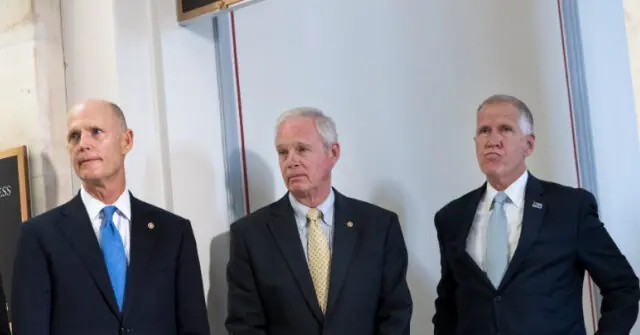
Sen. Thom Tillis (R-NC) objected to Sen. Rick Scott’s (R-FL) proposed legislation, the Banning Lobbying And Safeguarding Trust (BLAST) Act, which would ban former lawmakers from lobbying after they leave Congress. Tillis argued that the bill would prevent him from advocating for constituents even after he departs office.
Scott’s Bill and Tillis’ Concerns
Scott introduced the BLAST Act in May and sought to move it forward on the Senate floor with a unanimous-consent request, but Tillis objected. He emphasized that he has no intention of lobbying and that his advocacy is driven by passion, not financial gain.
“I’ve told everybody I have no intention of coming back and lobbying this Congress,” Tillis said. “If anybody thinks that this is because I’m getting ready for my next career, they don’t know Thom Tillis. I won’t be lobbying here.”
Tillis used the example of his niece, who has been nonverbal and paraplegic since birth and faces ongoing Medicaid challenges. He argued that the bill would prevent him from helping her, even if he is not being paid.
Impact on Advocacy and Board Roles
Tillis also expressed concern that the bill would restrict his ability to advise on issues affecting rural hospitals and veterans. “I can’t advocate on their behalf anymore, even when I’m not being paid, even when I’m not a registered lobbyist,” he said.
Scott, in response, acknowledged Tillis’ concerns but argued that the bill aims to prevent former legislators from using their influence for personal gain. “What happens is that’s not how it actually works,” Scott said, noting that constituents do not want former politicians to return as lobbyists.
Bill’s Future and Context
Although Tillis’ objection stalled the BLAST Act, the bill is not dead. It was referred to the Senate Judiciary Committee, which could amend the text and report it back to the full Senate for further consideration.
Scott has previously criticized the revolving door of politics and lobbying, calling for term limits and bans on post-term lobbying. “Washington is corrupt,” he said on X. “It’s why I’m fighting for term limits, bans on lobbying after being elected, and a ban on stock trading.”
The debate highlights ongoing tensions over the role of former lawmakers in shaping policy and the ethical implications of post-term lobbying.
Source: Breitbart