SpaceX Gets Air Permit as Texas Resumes Data Center Approvals
Texas resumes data center permitting after election, with SpaceX’s project highlighted as a model for grid independence.
4 min read
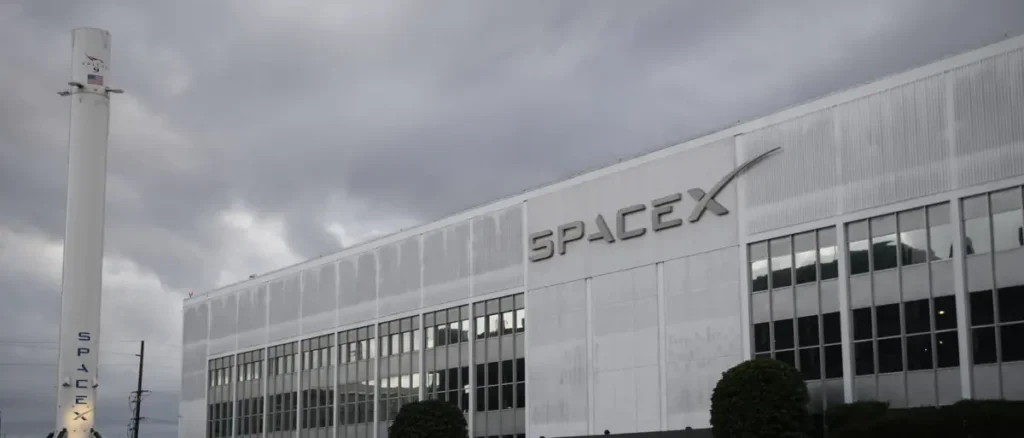
On November 16, the Texas Commission on Environmental Quality (TCEQ) issued an air permit for SpaceX’s planned data center and gas-fired power plant near the Port of Brownsville, within the city of Starbase. The project, which spans 444 acres, includes 35 natural gas turbines and 750 megawatts of generation—enough to power a supercomputing campus without relying on the grid. The permit marks a significant step forward for SpaceX’s expansion in South Texas, which has been stalled for months due to political delays.
A Model for Grid Independence
The SpaceX project is designed to operate off-grid, generating its own power and avoiding the need for a connection to the Electric Reliability Council of Texas (ERCOT) system. This approach aligns with Texas Governor Greg Abbott’s long-standing advocacy for data centers that generate their own power and do not burden the state’s grid. However, the project’s approval came only after the conclusion of the November 3 election, raising questions about the role of politics in the permitting process.
SpaceX’s plan was always intended to operate independently, with the company emphasizing that its energy demands would not compete with local homes or businesses and would not shift generation costs onto existing ratepayers. This model, according to the company, is exactly the kind of solution that should be promoted to protect the grid rather than restricted.
Political Delays and Campaign Tactics
SpaceX filed its air permit registration on September 8, just days after Abbott announced a pause on data center permits until ERCOT completed its review. The governor’s letter stated that data centers must “pay their own way, protect our grid and water.” While the intent was to ensure that new projects would not strain the state’s infrastructure, the pause was not about grid hookups. Instead, it targeted behind-the-meter projects—those that generate their own power and might bypass the ERCOT system.
This freeze was aimed at projects that would not burden the grid, suggesting that the delay was more about political cover during Abbott’s reelection campaign than genuine energy policy. The decision to pause data center permits was made in August, well before the TCEQ freeze was announced in September. The delay created uncertainty for investors, who were waiting for a clear regulatory path for new projects.
Following the election, Abbott’s office notified the TCEQ that ERCOT had completed its review of community impacts, one of several issues the governor had requested the grid operator to study. On November 13, the TCEQ resumed its normal permit review process, and the SpaceX permit was issued on November 16. However, ERCOT’s full findings are not due until December 10, and the TCEQ is not scheduled to review them until a week later. Nothing about the project’s design or scale changed between September 8 and November 16—the only variables were the election and the incoming governor, Gina Hinojosa.
Investor Concerns and Future Implications
The delay in approving the SpaceX project has raised concerns among investors, who are wary of states freezing even projects that demonstrate a clear commitment to self-sufficiency and grid protection. SpaceX is also planning a roughly $50 billion supercomputing campus in Arizona, showing that capital has options. When a state freezes projects that are designed to benefit the grid and the local economy, investors take notice. Hinojosa, who won the election, campaigned on keeping data center approvals paused until the legislature writes new laws, suggesting that the freeze could be reinstated in January.
Texas has built its economic power by welcoming investments that bring capital and jobs. Natural gas, the primary energy source for data centers, is abundant in Texas, making the state a prime location for such projects. The SpaceX permit was always the easy call, but it took an election to get it issued. This highlights the risk of political interference in regulatory processes, which can delay or deter significant economic opportunities.
Broader Implications for Texas and the Energy Sector
The approval of the SpaceX project signals a return to normalcy for data center permitting in Texas. However, the political delay raises questions about the broader implications for the state’s energy policy and its ability to attract and retain major investments. With ERCOT still reviewing its findings and the TCEQ set to evaluate them, the full impact of the freeze on future projects remains uncertain.
As Texas moves forward, the challenge will be to balance regulatory oversight with the need to attract and support innovation. The SpaceX project represents a model for how data centers can operate independently while still contributing to the local economy. If Texas can streamline its permitting process and avoid political interference, it may continue to be a leader in the energy and technology sectors.
Source: Daily Caller