Tech Outages Fuel Public Anxiety Amid Uncertainty
Experts warn of growing public anxiety over tech outages and infrastructure risks, urging calm and preparedness.
2 min read
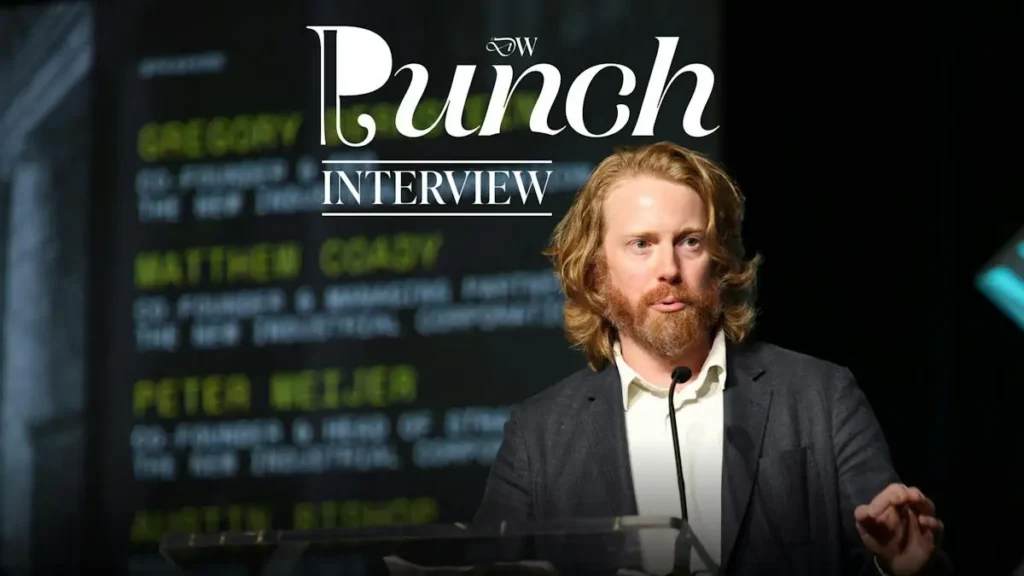
Public anxiety over recent tech outages and infrastructure vulnerabilities has surged, fueled by a mix of media amplification, conspiracy theories, and a lingering sense of uncertainty. Peter Meijer, a former U.S. representative and military veteran, discusses how these disruptions have created a climate of fear, and what individuals can do to navigate the situation with clarity and resilience.
The Rise of Panic and Conspiracy Theories
Meijer notes that the current climate of panic is not solely due to the actual events unfolding but also the way media and technology have shaped public perception. With the rise of social media and 24-hour news cycles, people are constantly bombarded with information, often without the context or nuance needed to assess the true risk of each situation. This has led to a culture where people are more likely to believe in intentional threats than accidental mistakes.
Why People Jump to Conclusions
Meijer explains that the human mind is wired to seek patterns and meaning in chaos. When multiple disruptions occur in quick succession, it’s natural for people to assume there is a deeper, intentional cause. This mindset is particularly strong in an era where technology has become so integrated into daily life that any disruption can feel like a major threat to stability and security.
The Role of Trust and Preparedness
Despite the growing mistrust in institutions, Meijer emphasizes the importance of preparedness and rational thinking. He points out that while it’s important to be aware of potential risks, it’s equally important to avoid overreacting and to focus on practical steps that can mitigate the impact of disruptions.
What Can Individuals Do?
Meijer advises people to take a balanced approach to the current situation. He suggests that individuals should stay informed but not let fear dictate their actions. Rather than assuming the worst, people should focus on what they can control, such as maintaining backup systems, staying in touch with loved ones, and being prepared for unexpected disruptions.
Looking Ahead
As the nation grapples with these challenges, Meijer believes that the key to moving forward lies in fostering a culture of resilience and informed decision-making. By understanding the root causes of public anxiety and taking proactive steps to address them, individuals and communities can better navigate the uncertainties of the modern world.
Source: Daily Wire