Burnham Set to Sign EU ‘Farage Clause’ Amid Brexit Controversy
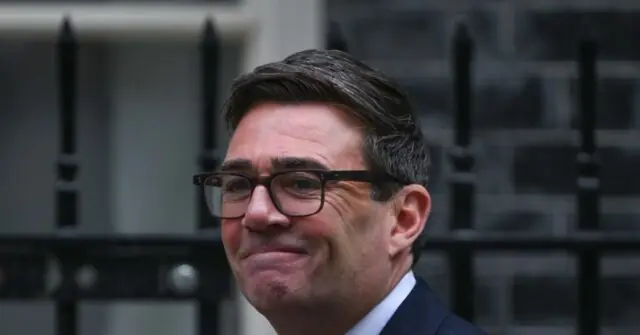
British PM Andy Burnham faces backlash for agreeing to EU ‘Farage Clause’ that could penalize future governments.
2 min read
British Prime Minister Andy Burnham is reportedly set to sign an agreement with the European Union that includes a so-called ‘Farage clause,’ which would penalize the UK with millions in fines if a future eurosceptic government decides to withdraw from the deal. This decision has sparked significant controversy, with critics arguing it undermines British sovereignty and violates the spirit of the country’s unwritten constitution.
EU Trade Agreement and Sovereignty Concerns
Burnham is set to meet with Eurocrats in Brussels to ink a deal on agricultural trade and food production. The agreement, according to the Times of London, would see London cede control over its current and future animal welfare, food, and veterinary standards, allowing Brussels to dictate these practices in British farming and food production industries. In exchange, the EU would reduce its onerous paperwork mandates and inspection requirements for trade with bloc countries, a move the Labour government claims would bolster the British economy.
Farage Clause and Political Backlash
Despite Burnham’s earlier pledge not to re-run Brexit debates, he is reportedly prepared to sign the agreement, despite its inclusion of a ‘Farage clause.’ This clause would force London to pay Brussels if a future government, particularly one led by Nigel Farage, decides to withdraw from the deal. Critics argue that this would be contrary to the spirit of Britain’s unwritten constitution, which prioritizes parliamentary supremacy and the right of elected lawmakers to enact and overturn laws.
Public and Political Opposition
Farage himself has condemned the move, stating it would be ‘wholly illegitimate’ and that he would renege on the deal if elected. Reform MP Danny Kruger called the agreement ‘outrageous,’ arguing that a British government should not threaten taxpayers with extra costs if they vote for a change in leadership. The decision has also raised concerns about the potential rejoining of the EU’s Schengen system, despite a recent survey showing the British public remains more negative about immigration than during the 2016 Brexit referendum.
Labour Party Divisions
Some within the Labour Party have pushed for a more radical approach, with former government minister Jess Phillips suggesting the party should campaign on rejoining the EU without a second referendum. This highlights growing divisions within the party over the direction of Brexit and the UK’s relationship with the EU.
Source: Breitbart