Chile Approves Tribunal for Cuba’s Crimes Against Humanity
Chile’s legislature passes resolution to create international tribunal for Cuban leaders accused of crimes against humanity.
2 min read
Chile’s Chamber of Deputies has approved a resolution calling for the creation of an international tribunal to prosecute Cuban leaders for crimes against humanity. The resolution, passed on Tuesday, seeks to hold the Cuban government accountable for alleged atrocities committed against its people and others.
International Justice Initiative
The resolution urges the Chilean government to coordinate with other democratic states and international organizations to promote truth, justice, and reparations for victims. It also emphasizes the need to prevent future crimes. The measure is supported by President José Antonio Kast, who has publicly endorsed the initiative in the past.
Targeting the Regime
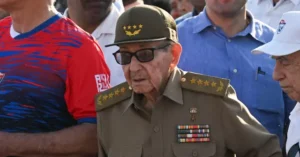
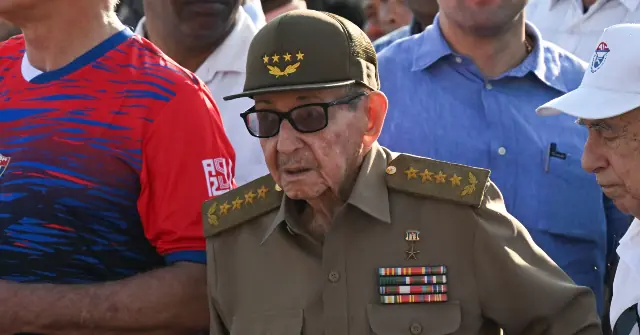
The proposal focuses on the leadership of the Cuban regime, with the 95-year-old Raúl Castro, the current dictator, being the most likely individual to be identified as responsible for many of the crimes. Castro, who served as Fidel Castro’s enforcer before taking power, is accused of orchestrating several atrocities, including the 1996 murders of four Americans who were part of the humanitarian aid group Brothers to the Rescue.
Legal and Historical Context
The initiative draws parallels to the Nuremberg trials following World War II and the prosecution of war criminals in the former Yugoslavia. Chile has a history of pursuing international justice, as seen in the case of former leader Augusto Pinochet, who was arrested in the UK in 1998 but died before any legal process could proceed.
Crimes Against Humanity
The resolution cites a range of atrocities committed by the Castro regime, including mass killings, torture, imprisonment, and the enslavement of Christians and suspected gay individuals. These acts fall under the international legal definition of crimes against humanity, which includes murder, enslavement, torture, and persecution of identifiable groups.
Victim Support and Advocacy
The movement to establish the tribunal began in 2017 with the organization Justice Cuba, which has gathered testimonies and evidence from victims and human rights experts. The group presented its findings to the Organization of American States in 2018, urging member states to support an international legal process. Justice Cuba’s president, René Bolio, emphasized the need for an international tribunal to adjudicate the evidence they have collected.
Source: Breitbart