Estonia Closes Border to Russia Amid Accusations of Russophobia
Estonia closes border crossings to Russia for six months, sparking Russian accusations of ‘Russophobia’ and tensions over national security.
2 min read
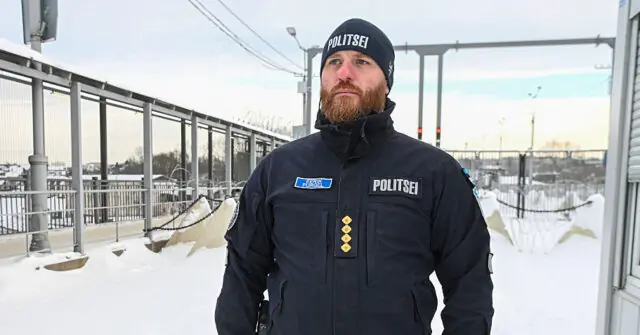
Estonia has closed all road crossings to Russia for six months, starting December 1st, citing national security concerns. The decision follows an alleged arson attack on a defense industry facility near Tallinn, which Estonia claims was carried out by Russian agents. Russia has strongly condemned the closure, calling it a provocative and racist act that mirrors the construction of the Berlin Wall.
Russian Response and Diplomatic Tensions
The Russian Ministry of Foreign Affairs summoned Estonia’s Charge d’Affaires for a dressing down, accusing Estonia of widespread Russophobia. A statement from the Kremlin emphasized that Estonia’s accusations against Russia were baseless and highlighted the country’s alleged efforts to erect a new Iron Curtain under false pretenses.
Russian President Vladimir Putin’s personal spokesman, Dmitry Peskov, criticized Estonia’s actions, stating that building walls has historically led to negative consequences. Maria Zakharova, spokesperson for the Russian Ministry of Foreign Affairs, dismissed the notion that the arson attack was linked to Russian intelligence, calling such accusations confrontational and aimed at escalating tensions.
Historical Context and Border Policies
Estonia built a border fence with Russia over a decade ago following Russia’s invasion of Ukraine in 2014. It has periodically closed its border control points since then, reflecting ongoing security concerns. The closure of Estonia’s border adds to the already closed road crossings in Finland, leaving only Latvia and Norway as remaining land routes into Russia from the European Union.
Rail freight between Estonia and Russia will continue, though the closure of road crossings has raised concerns for those with family ties to Russia, particularly in the city of Narva, which is majority Russian-speaking. Estonia has also accused Russia of illegal FSB activities in its territory, further straining bilateral relations.
Broader Implications and Regional Tensions
The dispute highlights the deepening divide between Estonia and Russia, with each side accusing the other of undermining security and sovereignty. The closure of Estonia’s border underscores the broader geopolitical tensions in the region, as NATO and EU countries continue to navigate complex relationships with Russia amid ongoing conflicts and security threats.
Source: Breitbart