Fetterman Questions Democratic Leadership After Senate Win
Sen. John Fetterman weighs in on Democratic leadership race as Senate majority takes shape.
3 min read
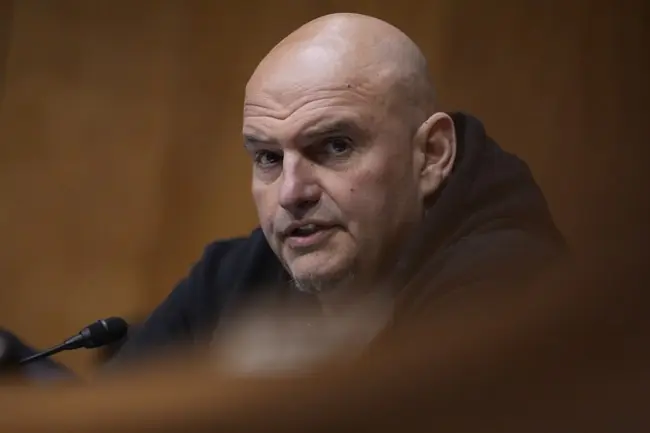
Sen. John Fetterman (D-Pa.) has made it clear that his support for Senate Minority Leader Chuck Schumer (D-N.Y.) is rooted in the New York Democrat’s stance on Israel. Despite disagreeing with Schumer on several issues, Fetterman believes the party’s pro-Israel position is a key factor in its recent Senate victory. During a recent interview, Fetterman was pressed about whether a potential shift to the left could cause him to leave the party. He pointed to Sen. Chris Van Hollen (D-Md.) as an example, saying he did not know how things would look if Van Hollen were to win, but affirmed his commitment to the Democratic Party.
Senate Leadership Race Begins
The Senate Democrats are set to choose their leader by secret ballot on December 1 in Washington. Schumer, the current minority leader, claims he has the votes needed to retain his position. Van Hollen, however, has fewer public endorsements, though he has called for a break from the status quo, which he argues has failed working people. Two days before announcing his bid, Van Hollen and a dozen colleagues urged congressional leaders to remove language from the annual defense bill requiring the president to expand defense cooperation and intelligence sharing with Israel.
Van Hollen and his allies argued that the requirements would limit America’s freedom to act in its own interests. Fetterman, who sees support for Israel as an American interest, wants his party to focus more on holding Iran and Hamas accountable. He believes Congress should ask what a particular commitment buys the United States and how it might limit a president’s choices. The same questions should be asked about removing that commitment from the bill, as it could give Washington more room to negotiate a better deal.
Future Implications of Leadership Choice
The majority leader plays a crucial role in deciding which bills and amendments get floor time. Senators should ask both candidates how they would handle the next vote on Israel and whether members would get to debate the terms of any policy change. The next fight may come tucked inside a bill Congress has every reason to pass, and by then, senators who want a separate debate may have little leverage to get one.
Van Hollen has also discussed using a spending fight to cut off funding for the country’s conflict with Iran, even if it leads to a government shutdown. Voters who put Democrats back in charge on the promise of making life more affordable have a right to know how far their new majority would go over a fight like that. Senators can ask these questions before they hand either man control of the Senate floor.
Schumer has spent nearly a decade leading Senate Democrats, and his record is something his colleagues can judge. Fetterman has made it clear that his vote for Schumer comes with its own disagreements. While Democrats have an easy way to dismiss Fetterman—by counting their seats and figuring they’ll survive if one senator walks—Fetterman can disagree with Schumer and still vote for him. The question remains: how many colleagues backing Van Hollen would give a pro-Israel Democrat the same room to differ once the leadership vote is over?
The vote happens behind closed doors, and the decisions that follow will show up in defense bills, funding deadlines, and what Washington tells its allies they can count on. Fetterman has said where he stands while his colleagues can still act on it. Come January, they’ll have to explain what they chose to do with the power voters gave them.
Source: PJ Media