Iran Targets Kuwait, Escalating Gulf Tensions
Iran launches drone attacks on Kuwait and Bahrain, raising fears of regional conflict as U.S. and Gulf nations respond.
2 min read
Tehran has launched drone attacks on Kuwait and Bahrain, marking the first such strikes in two months and intensifying hostilities across the Persian Gulf. The attacks have raised fears of a broader regional escalation, with Iran’s regular military claiming responsibility for targeting U.S. Patriot air defense systems and drone and missile launch platforms at Ali Al Salem Air Base in Kuwait on November 17.
Kuwait and Bahrain Respond
Kuwait’s military confirmed its air defenses intercepted the incoming drones without causing casualties or damage. The Foreign Ministry condemned the attack as a violation of its sovereignty and a threat to national security. The Kuwaiti Army also urged compliance with security instructions, noting that any explosion sounds were due to air defense systems.
Bahrain’s military reported that its air defenses intercepted several Iranian aerial attacks, marking the fourth reported assault against the island nation in about six days. The attacks followed a U.S. strike on an Islamic Revolutionary Guard Corps (IRGC) missile launch site on Qeshm Island, where American fighter jets used precision-guided munitions in response to Iranian attacks on U.S. personnel and assets.
Regional Tensions and Domestic Unrest
The Iranian military’s public claim of responsibility for the Kuwait operation marked a notable shift, with the regular army’s direct participation signaling a potential broader escalation. Iranian Army Commander-in-Chief Maj. Gen. Amir Hatami warned Washington and its allies against further strikes, stating that Iran was prepared to respond with greater force if provoked.
Qatar condemned the attacks, calling them a dangerous escalation that threatens diplomatic efforts to contain the conflict. The latest military exchanges coincided with renewed attacks on commercial shipping in the Strait of Hormuz, a critical waterway for global oil and gas trade. ADNOC reported an attack on one of its vessels, leaving a sailor missing, while the UK Maritime Trade Operations center noted a projectile strike on a tanker near Oman.
Stalled Peace Talks and Economic Impact
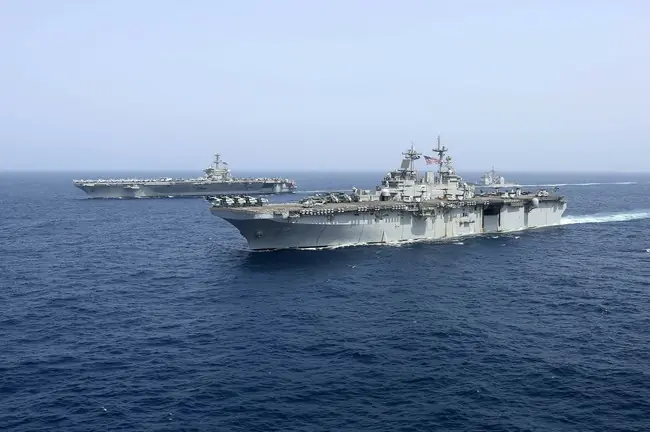
Both Iran and the U.S. reached a preliminary agreement in June to end the conflict and reopen the strait, but the arrangement collapsed after Iran resumed attacks and the U.S. reinstated its naval blockade. The U.S. Navy has since escorted tankers through the strait, helping Gulf energy producers restore oil exports to about 80% of prewar levels.
Tehran also faces domestic unrest as tensions rise. Protests erupted in southern Iran after a road accident killed 13 oil refinery employees, with demonstrators demanding the resignation of company officials they blamed for the incident. The protests add pressure on Iran’s leadership amid military strikes, a collapsing economy, and growing instability.
Source: PJ Media