Kushner Outlines Four Priorities for Ukraine-Russia Peace Talks
Jared Kushner outlines key priorities for upcoming Ukraine-Russia peace talks in Abu Dhabi, aiming for a lasting resolution.
2 min read
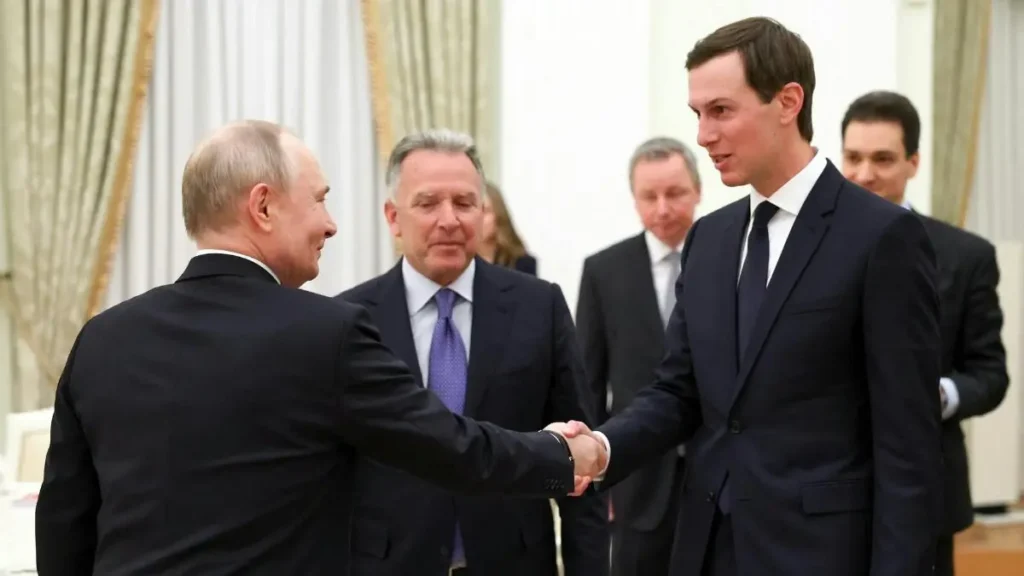
President Donald Trump’s special envoy, Jared Kushner, has outlined four key priorities for the upcoming Ukraine-Russia peace talks in Abu Dhabi, as American, Russian, and Ukrainian officials prepare for two days of trilateral negotiations. The discussions aim to foster a negotiated settlement that secures Ukraine’s future and establishes a more stable European security environment.
Four Interconnected Priorities
In a statement posted to X, Kushner emphasized that the administration’s efforts are focused on four interconnected priorities: ending the fighting, developing credible postwar security guarantees, preparing a comprehensive economic and prosperity plan for Ukraine, and advancing humanitarian measures to alleviate suffering.
Kushner, who will participate alongside U.S. special envoy Steve Witkoff, said the American delegation aims to bring Russia and Ukraine together to discuss their security concerns and potential solutions directly. Before the negotiations begin, Kushner and Witkoff plan to meet with representatives from Ukraine, the European Union, NATO, Germany, France, the United Kingdom, and Italy.
Broader Security Engagement
Kushner emphasized that any lasting settlement would require more than an agreement between Moscow and Kyiv, arguing that Russia and European governments would eventually need to engage directly on broader security arrangements. He expressed hope that the discussions in Abu Dhabi would create conditions for such engagement to begin in the near future, as part of a broader multilateral process.
The administration’s priorities also include establishing postwar security guarantees, rebuilding Ukraine’s economy, and addressing humanitarian concerns such as the return of prisoners and civilians. The United States and its European partners are working on plans to support critical infrastructure, attract private investment, and help Ukraine achieve long-term economic growth and self-sufficiency.
Challenges and Expectations
The negotiations come as the Trump administration faces pressure to secure an end to a war that has dragged on for nearly five years. Russia continues to occupy roughly 20% of Ukrainian territory, including Crimea and portions of the Donbas region, while Kyiv insists that any settlement must protect its sovereignty and provide credible guarantees against another Russian invasion.
Kremlin spokesman Dmitry Peskov confirmed that Vladimir Medinsky, a former culture minister who has previously led Russian negotiating teams, will again serve as chief negotiator. Ukraine’s delegation will be led by Rustem Umerov, the country’s foreign intelligence chief and primary negotiator.
European participation remains less clearly defined, with Moscow stating that European representatives will not participate in the trilateral negotiations themselves. European governments have expressed concerns that Washington could pursue an agreement that compromises Ukraine’s security or the broader European security order. Expectations for a breakthrough remain low, with both sides showing little willingness to compromise on the central disputes over territory and security.
Source: Daily Wire