Over 2,200 Migrants Arrive in Canary Islands in Two Days
Spain’s Canary Islands saw nearly 2,200 migrants arrive by boat in two days, highlighting the dangerous Atlantic migration route.
1 min read
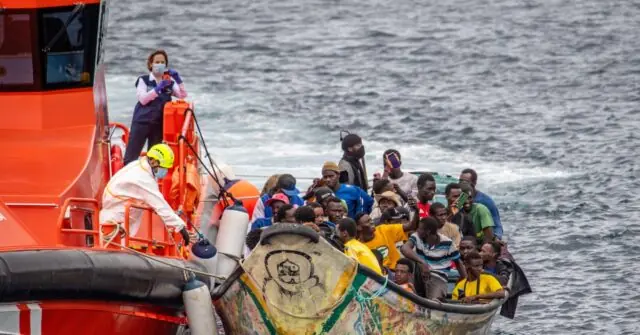
Spain’s maritime rescue service reported that nearly 2,200 migrants have arrived by boat in the Canary Islands over the past two days, marking a significant increase in migration activity along the Atlantic route. The Spanish archipelago, located off the northwest coast of Africa, remains one of the primary entry points for migrants seeking to reach Spain. Most of these individuals come from West Africa, where they embark on perilous sea journeys in makeshift boats.
Rescue Efforts and Migration Trends
According to the Spanish Interior Ministry, more than 13,000 migrants arrived in the Canary Islands by sea between January and the end of October, out of a total of over 28,000 people who reached Spain by sea during the same period. The Maritime Rescue Service noted that it assisted 1,324 migrants aboard 14 dinghies, with most of them landing on the island of El Hierro. This number is close to the daily record for the route, which was set on November 7, 2020, with 1,461 people rescued that day.
Deadly Migration Route
The stretch of the Atlantic Ocean between West Africa and the Canary Islands is one of the most dangerous migration routes in the world. Despite the relatively short distance—approximately 65 miles (105 kilometers)—many migrants attempt longer, more hazardous journeys to avoid detection by security forces. These extended trips can last several days or even weeks, increasing the risks of drowning, dehydration, and other life-threatening conditions.
Most migrants depart from Mauritania, where they are often lured by smugglers promising safe passage to Spain. However, the journey is fraught with peril, and many do not survive the crossing. The Canary Islands have become a critical point of entry for migrants seeking asylum or a better life in Europe, but the high number of arrivals underscores the ongoing challenges in managing this complex humanitarian and security issue.
Source: Breitbart