U.S. Targets Iran’s Shadow Banking as Winter Heat Fails
Treasury sanctions Iranian exchange houses as energy crisis deepens.
3 min read
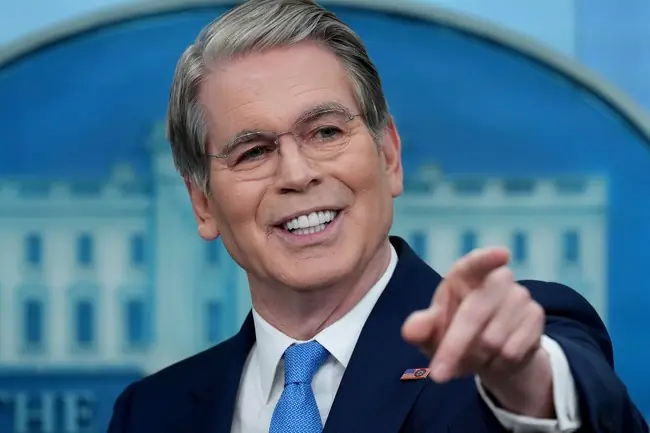
Iranian President Masoud Pezeshkian sat in his office in Tehran, the chandelier dark, the heat off, as state broadcasters aired the scene to encourage energy conservation. The image, shared by U.S. Treasury Secretary Scott Bessent, was accompanied by a lighthearted tweet.
President Pezeshkian took state tv into his office amid #Iran's energy crisis and economic problems. The regime literally can't keep the lights on and wants people to reduce consumption. https://t.co/XHsdBcGrFk
Bessent’s message, wishing Iran’s leaders a “wonderful winter,” sparked both amusement and scrutiny. An Iranian Foreign Ministry official dismissed the scene as a conservation effort, not a reflection of Pezeshkian’s usual working conditions. Yet, for many at home, the question lingered: How much heat could they expect as winter arrived?
Four days before Bessent’s tweet, the U.S. Treasury announced sanctions against more than two dozen Iranian exchange houses, front companies, and key personnel tied to the country’s shadow banking networks. These networks help Iranian businesses pay suppliers and collect money from customers abroad, despite U.S. sanctions.
Good job, guys. Have a wonderful winter.
Treasury said the Central Bank of Iran oversees this system through exchange houses and firms that act on banks’ behalf. Companies struggling with regular banking channels can turn to intermediaries to move money. One such case involved a Dubai-based firm, which Treasury claimed was used by Bank Sepah to move millions of dollars.
FinCEN identified about $14.7 billion in financial activity potentially linked to Iran’s shadow banking from January 2025 through August 2026. The agency noted a decline in flagged activity, suggesting partial disruption. Treasury said the sanctions targeted key players in Iran’s foreign trade, including firms based in the UAE, Turkey, and Hong Kong.
“Iran’s economy is underwater, and its leaders are panicking,” Bessent said in a statement. “Treasury will continue dismantling these illicit networks until we have buried the head of the snake.”
The U.S. aims to cut off funding for Iran’s military, weapons programs, and proxies. Whether the November sanctions will succeed remains an open question. Iran has struggled with power shortages long before the latest sanctions, with the U.S. Energy Information Administration citing high demand, aging infrastructure, and insufficient investment as causes.
While turning off a chandelier saves a little electricity, maintaining a reliable grid requires sustained effort. Bessent’s campaign focuses on cutting off money Tehran uses to fund its operations. The next round of evidence will show whether the regime can still move payments or find new intermediaries.
For Washington, there’s also a diplomatic test. The Trump administration used financial pressure to push Iran to end attacks on shipping and reopen the Strait of Hormuz. Progress would be seen in what Iran does at sea and what commitments it’s willing to make.
Pezeshkian can turn the chandelier back on whenever he wants. The families his video addressed have to get through winter on the system his government runs. Bessent got his laugh, while the next thing worth hearing from Treasury is which payments the regime can no longer make.
Source: PJ Media