Zuckerberg Threatens to Leave California Over Wealth Tax
Meta CEO Mark Zuckerberg may leave California if a billionaire wealth tax passes, prompting the company to offer financial incentives to retain him.
2 min read
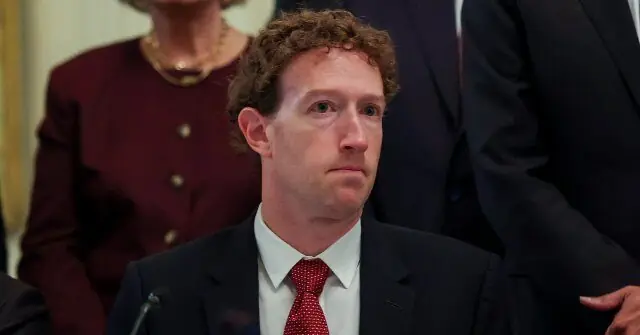
Meta CEO Mark Zuckerberg has threatened to leave California if voters approve a billionaire wealth tax in November, prompting the company to offer him financial incentives to stay. In a filing with the SEC, Meta revealed that Zuckerberg informed the company’s special committee he was considering relocating his primary residence outside the state. According to the filing, Zuckerberg noted that steps toward any such relocation, including listing his residential real estate in California on the market, would be public and likely cause questions for management.
Meta’s Financial Incentive to Retain Zuckerberg
The company’s special committee concluded that Zuckerberg’s continued leadership is crucial as Meta invests heavily in AI and competes against rivals in the field. The filing emphasized that the goal is to keep Zuckerberg leading the company from California and in close proximity to Meta Superintelligence Labs. To achieve this, Meta agreed to gradually lift restrictions over the next eight years on Zuckerberg’s ability to sell certain shares.
The arrangement allows Zuckerberg to sell up to half his economic stake in the company without losing his voting control, which is maintained through his special shares. However, the plan carries financial risk, as Meta warned of a “significant, multi-billion dollar tax payment” if the ballot measure passes.
Industry Reactions to the Wealth Tax
The proposed one-time five percent tax on billionaires’ assets has drawn opposition from several prominent tech figures, including Google co-founder Sergey Brin, investor Ron Conway, DoorDash CEO Tony Xu, and crypto billionaire Chris Larsen. Xu, who also sits on Meta’s special committee, has spent millions fighting the tax. Not everyone in the industry opposes the tax, though. Nvidia CEO Jensen Huang has expressed that he wouldn’t mind paying it.
Concerns Over the Wealth Tax’s Impact on Startups
A key issue raised by the tech community is how the potential wealth tax might treat paper profits from stock gains and stakes in unlisted companies, which is a common form of compensation in startups. Figma cofounder and CEO Dylan Field highlighted that founders and early employees could face the tax but would not be able to use company stock to pay it. This could lead to a “double tax event,” where founders also face capital gains taxes.
Field also warned that startups could be forced to lower their valuations through a “down round” if they have an unsuccessful year, making it harder to attract talent and investors. He noted that Silicon Valley startups may follow the herd, even if the wealth tax does not apply to them yet.
Source: Breitbart