Hostin: Trump’s Remarks on El-Sayed Labeled Islamophobic
Sunny Hostin criticizes Trump’s comments on Abdul El-Sayed as dangerous Islamophobia during ‘The View’ segment.
2 min read
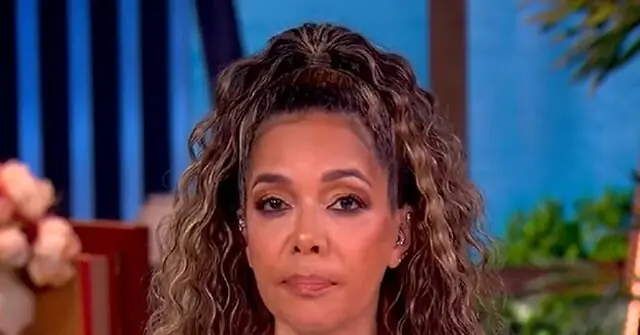
On Monday’s episode of ABC’s “The View,” co-host Sunny Hostin condemned President Donald Trump’s recent criticisms of Michigan Democratic U.S. Senate candidate Abdul El-Sayed, calling them “dangerous, reckless Islamophobia.” Hostin highlighted what she described as a stark contrast between Trump’s rhetoric and that of former President Barack Obama.
Contrasting Rhetoric
Hostin pointed out that Trump’s comments about El-Sayed, whom he labeled a “jihadist” and claimed would need to pass through a metal detector to enter the Senate, were particularly troubling. She argued that such remarks were not only inflammatory but also dangerously misleading, suggesting that El-Sayed was aligned with terrorist groups. Hostin further criticized Trump for falsely claiming that El-Sayed would invite “hordes of jihadis” to the United States, which she called reckless and Islamophobic.
In contrast, Hostin noted Trump’s more favorable treatment of his opponent, Republican Mike Rogers, whom he described as “apple pie.” She argued that this was equally problematic, as it involved mocking Arab names and demonizing faith, which she said was beneath the dignity of the presidency.
Comparing Past and Present
Hostin also referenced former President Barack Obama, drawing on Obama’s own experiences with his name and background being weaponized during his presidential campaign. She emphasized that Obama’s policies, such as expanding healthcare access and advocating for affordable housing, were not radical but rather essential for societal well-being. Hostin used this comparison to underscore the hypocrisy of labeling El-Sayed’s progressive views as radical when similar policies were once championed by a sitting president.
Her remarks reflect ongoing debates about the role of rhetoric in politics and the potential consequences of inflammatory language, particularly when it targets specific religious or ethnic groups. The segment sparked further discussion about the responsibilities of public figures in shaping public discourse and the impact of their words on marginalized communities.
Source: Breitbart