U.S. Blocks UN Vote on Abortion and Gender Ideology
U.S. opposes UN resolution on abortion and gender policies, sparking global debate.
3 min read
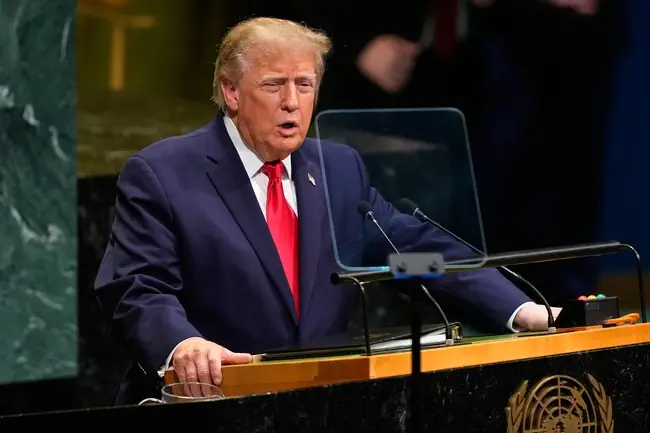
The Trump administration challenged a UN resolution on violence against women and girls by forcing a recorded vote in the United Nations General Assembly’s Third Committee. The vote, held on November 20, aimed to address language related to abortion and gender-related policies in an EU-backed resolution.
Amendments to Clarify Terminology
The White House introduced five amendments to redefine terms such as ‘sexual and reproductive health’ and ‘gender.’ These proposals sought to prevent UN agencies from interpreting the language as endorsing abortion rights or gender identity policies. The amendments also defined gender exclusively in terms of the two biological sexes: male and female.
Seventy-two countries rejected the amendments, while 50 supported them. Another 71 governments abstained or skipped the vote. A separate U.S. proposal to remove references to ‘intersectionality’ also failed, with 72 countries opposing it and 58 supporting it.
Global Divisions Exposed
The recorded votes highlighted divisions among UN member states over whether abortion and gender identity policies enjoy international consensus. The U.S. argued that the results demonstrated the lack of broad international agreement on these issues.
The committee ultimately adopted the resolution without removing the disputed language. However, more than two dozen delegations subsequently voiced support for the U.S. position, including Argentina, Belarus, Cameroon, Chile, Colombia, Egypt, Indonesia, Iran, Iraq, Italy, Malaysia, Nigeria, Paraguay, Peru, Russia, Uganda, and the Holy See.
U.S. Position on Abortion and Gender
In its explanation of its vote, the U.S. Mission to the United Nations stated that Washington abstained because it could not support the resolution. The statement declared that ‘there is no international right to abortion’ and affirmed that countries retain sovereign authority to establish their own abortion laws without external pressure. It also affirmed that the United States defines gender according to biological sex.
The American representative stated that there is no duty on the part of states to finance or facilitate abortion and that the United States will continue to support efforts to ‘end violence against women and girls, including through funding existing bilateral and multilateral programs.’
Opposition to Broader Interpretations
The Trump administration argued that UN agencies and human rights bodies have used broadly worded references to sexual and reproductive health and gender to advance interpretations that member states never formally approved. The White House also opposed similar ‘sexual and reproductive health’ language in a UN pandemic preparedness declaration pushed by the World Health Organization (WHO) on October 13.
The U.S., Israel, and Argentina were the only nations at the UN General Assembly to vote no in opposing the WHO pandemic power grab, while objecting to gender ideology and comprehensive sexuality education. New Zealand and Paraguay abstained from the vote.
Continuing Clash with EU
The dispute follows earlier clashes between Washington and the European Union over similar language in UN declarations and resolutions. The outcome of the vote demonstrated that the EU and other left-wing regimes cannot secure majority support for these positions, and that there is no international consensus for abortion on demand or radical transgender ideology, as more than 100 countries either oppose them or simply lack interest in their promotion.
Source: PJ Media