Halloween Candy Sales Lag Amid Rising Prices and Affordability Concerns
Halloween candy sales are down 6.7% this year due to higher costs and consumer budget constraints.
2 min read
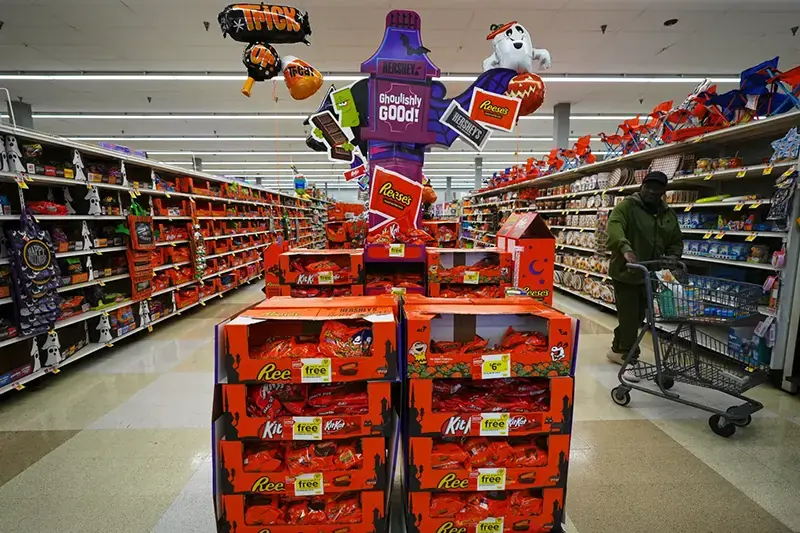
Halloween candy sales are off to a slow start this year as U.S. consumers face high living costs and soaring chocolate prices. According to NielsenIQ, candy sales dropped 6.7% in the month ending Oct. 17 compared to the same period last year. This marks a continuation of a declining trend, with an 11.7% drop in mid-September, erasing previous gains from the past two years.
High Costs Dampen Consumer Spending
Chris Costagli, a vice president and food thought leader at NielsenIQ, noted that high gas prices have intensified affordability concerns, leading to reduced demand for Halloween treats. The average price of a gallon of regular gasoline in the U.S. reached $4.29, up nearly 40% from the prior year. Costagli explained that consumers are now spending more on fuel, housing, clothing, and food, leaving less room for holiday candy purchases.
Candy Prices Outpace Inflation
U.S. candy prices have been rising faster than the rate of inflation for several years. As of September, candy and gum prices were up 44% over a five-year period, according to government data. Prices for all food eaten at home rose 22.5% in the same period. Discount grocer Aldi advertised a 135-piece variety pack of Mars Inc. chocolate bars for $19.87, nearly the same price as a 250-piece pack five years ago.
Cocoa Prices and Global Factors
Cocoa prices are the main driver of rising chocolate costs. Global cocoa prices hit a record high of $10,710 per metric ton in January 2025 due to poor weather in West Africa and speculative trading. While prices have since fallen to $3,241 per metric ton in March, they are climbing again due to the Iran war disrupting Africa’s fertilizer supplies and the El Niño weather pattern affecting production.
Consumer Behavior Shifts
Despite lower prices for non-chocolate candies, sales remain flat. Sally Lyons Wyatt, a global executive vice president and food industry adviser for Circana, suggested that consumers are buying candy closer to Halloween, making more frequent, smaller trips to the store. The National Confectioners Association remains optimistic, stating that consumer enthusiasm for Halloween is strong and the peak season is just beginning.
Source: OANN