Comey Faces New Charges in Espionage Act Allegations
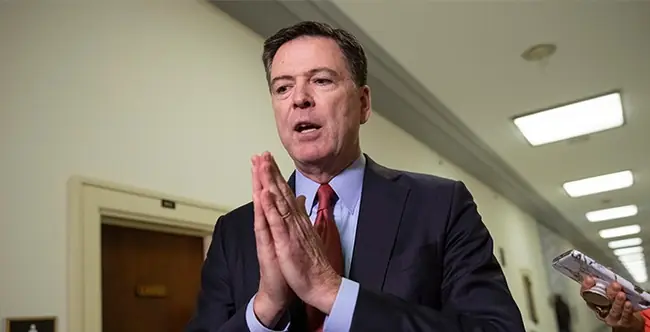
Former FBI Director James Comey faces new federal charges over alleged disclosure of national defense information.
4 min read
James Comey, former FBI director, is facing new federal charges under the Espionage Act, according to recent legal filings. Prosecutors allege that Comey unlawfully transmitted national defense information and conspired to do so, with the alleged disclosure occurring on October 5, 2016. The charges, which were initially filed under seal, were unsealed on Monday at the request of Comey’s legal team. The case adds to the legal battles Comey has already faced, including previous charges related to lying to Congress and threatening President Donald Trump in a social media post.
Background and Legal Context
Comey’s legal troubles began after his tenure as FBI director, where he was involved in the controversial Hillary Clinton email investigation. During that time, he concealed plans for his July 2016 announcement from Justice Department leadership, fearing his superiors would stop him. He also instructed subordinates to remain quiet, an action that was later described by the inspector general as “extraordinary and insubordinate.” These actions have contributed to the public’s skepticism toward Comey, with critics arguing that his conduct departed from the rules and norms expected of a high-ranking official.
The current charges stem from an alleged disclosure of information to a reporter through intermediaries. The criminal information filed by prosecutors does not constitute a grand jury indictment, which means the case is still in its early stages. The document, which is three pages long, outlines the allegations but does not provide the full evidence or testimony that would be necessary to build a compelling case. Critics argue that while the allegations are more concrete than previous disputes, they are not necessarily easier to prove. The public will need to wait for further developments to determine the strength of the prosecution’s case.
Legal and Political Implications
The timing of the charges is also a point of contention. The Department of Justice filed the case under seal on October 5, 2016, citing the need to preserve the case before a 10-year statute of limitations. Comey’s lawyers requested the filing to be made public on October 26, a move that has been criticized as an attempt to delay the case. The DOJ has defended the decision as a “widely recognized practice in federal court.”
Comey’s legal team, led by Patrick Fitzgerald, has argued that the filing did not meet the necessary deadlines and that the charges are unfounded. They also point to previous investigations during Trump’s first term that ended without charges, including a 2018 review by John Durham. These earlier decisions, they argue, require an explanation from the current prosecutors. The question remains: what changed that led to the current charges?
The case is also part of a broader series of politically charged investigative actions by the Department of Justice in the run-up to the upcoming midterm elections. Comey himself has criticized the prosecution, calling it an “appalling abuse of the Department of Justice.” In a video statement, he emphasized his innocence and his belief in an independent federal judiciary. However, critics argue that the timing of the charges suggests a political motive, especially given the election season.
Public and Legal Scrutiny
Public and legal scrutiny of Comey has been intense, with many questioning his integrity and the validity of his actions. The DOJ’s decision to file the case under seal and the subsequent unsealing have raised questions about the transparency of the process. The legal team for Comey has called the charges “crimes that he did not commit,” and they are pushing for a thorough examination of the evidence. However, the public and legal community are calling for a more disciplined approach to the case, similar to how Comey himself was criticized for his conduct during the Clinton email investigation.
The legal battle over Comey’s conduct is not new. He has already faced two previous charges: one for lying to Congress about media leaks and another for threatening Trump in a social media post. A judge dismissed the false statements case, but the threats case remains pending. These prior charges highlight the ongoing legal challenges Comey faces and the potential for further scrutiny.
Conclusion and Future Outlook
As the case unfolds, the public and legal community will be watching closely to see how the DOJ proceeds. If the evidence supports the charges and the filing was lawful, prosecutors should proceed with the case. However, they must also present their case with the same level of discipline and transparency that Comey himself was criticized for lacking. The outcome of this case could have significant implications for Comey’s legacy and the broader legal and political landscape.
Source: PJ Media