Israeli Election Sees Record Turnout Amid Voter Fraud Probe
Israel’s election day records high turnout as police investigate suspected Arab fraud.
2 min read
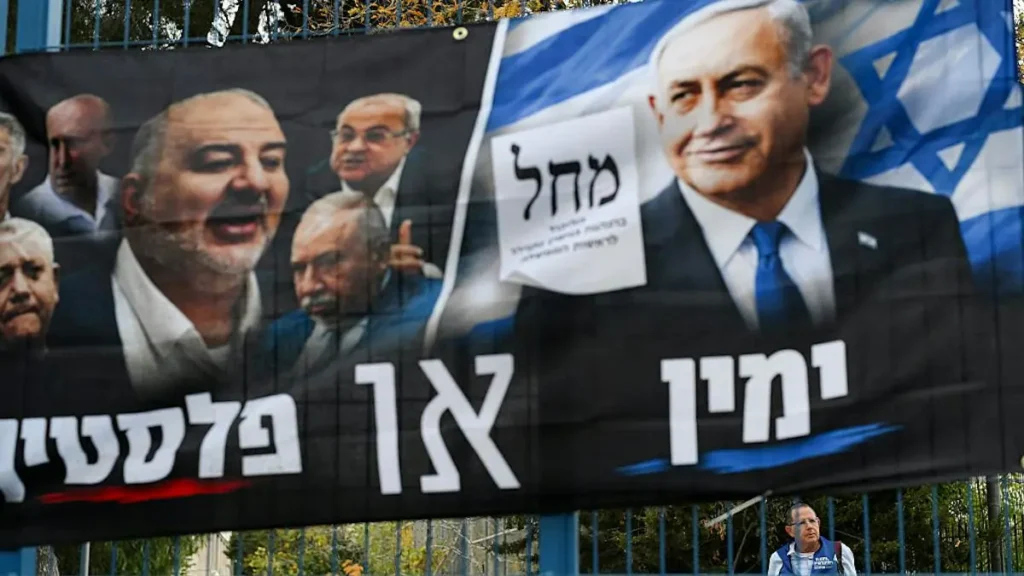
Israel began voting in its 26th Knesset elections on Tuesday, with historic voter turnout reported despite a high-profile voter fraud investigation in the south. The Central Elections Committee announced that by 2:00 p.m., turnout had reached 44.9%, the highest in the initial seven hours of polling since 1969.
Arrests in Negev Over Suspected Vote-Buying
Three residents of Bedouin communities in the Negev were arrested on suspicion of planning to buy votes for the Ra’am party, with police seizing cash and ballot slips. The suspects, from Segev Shalom and Ar’ara BaNegev, are set to appear in court on Tuesday, where police will seek to extend their detention.
Netanyahu Faces Major Political Challenge
Prime Minister Benjamin Netanyahu, who cast his ballot in Jerusalem, faces a significant challenge from former IDF Chief of Staff Gadi Eisenkot, whose Yashar Party has surged in recent polls. The election will test Netanyahu’s ability to overcome criticism over October 7 intelligence failures and divisions over the war.
Public Participation Despite Difficulties
Despite challenging weather and long wait times, voters turned out in large numbers. Regional breakdowns showed major cities registering between 27% and 29% turnout, while several Bedouin towns in the Negev saw exceptionally high participation. Justice Noam Sohlberg praised the public’s resolve, confirming that all citizens who queued before the 10:00 p.m. cutoff would be allowed to vote.
Security Assurances for Election Integrity
Shin Bet Director David Zini assured voters that the elections remain safe and trustworthy. He emphasized that under the leadership of Justice Sohlberg and the Israel Police, disruptions are being effectively managed.
Logistical Efforts to Facilitate Voting
Authorities made train travel and intercity buses exceeding 15 kilometers free for the day to assist voters. A total of 7,331,981 eligible voters can choose among 36 party lists vying for the 120 parliamentary seats across 12,018 polling stations. The final parliamentary distributions will depend on late-tally ballots cast by security personnel and citizens unable to access standard stations.
Source: Daily Wire